
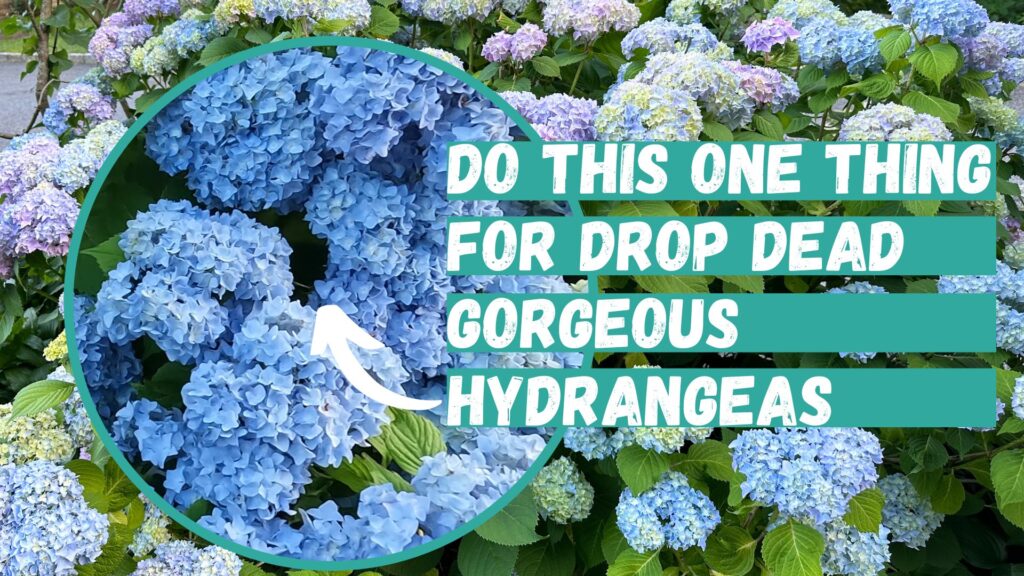
We’ve all seen them—those lush, cloud-like blooms in shades of blue, pink, and violet, spilling over garden beds. Hydrangeas have an almost magical appeal, turning even the simplest yard into a romantic escape. But what’s the secret behind those jaw-dropping flowers?
There’s one simple trick that makes hydrangeas really thrive—and it’s easier than you think.
Here’s the surprising truth: it’s all about watering.
Yes, it’s that simple. While there are other factors like soil pH, sunlight, and pruning techniques, the real game-changer is making sure your hydrangeas are getting regular, reliable moisture.

My Hydrangeas Were Struggling—Until I Tried This
I’ll be the first to admit it—I’m a lazy gardener. I love having a beautiful yard, but I also have a “set it and forget it” attitude when it comes to plant care. That’s one of the reasons I love hydrangeas: once they’re established, they’re surprisingly low maintenance.
They can survive with minimal attention, especially here in Connecticut.
For years, I basically left mine alone and hoped for the best. They survived, sure—but they didn’t thrive. The leaves were often a little droopy, the blooms were small, and the plants always looked a little tired.
Then, one summer, I decided to try something embarrassingly simple: I started watering them. Just once a week. If it rained, great—they were covered.
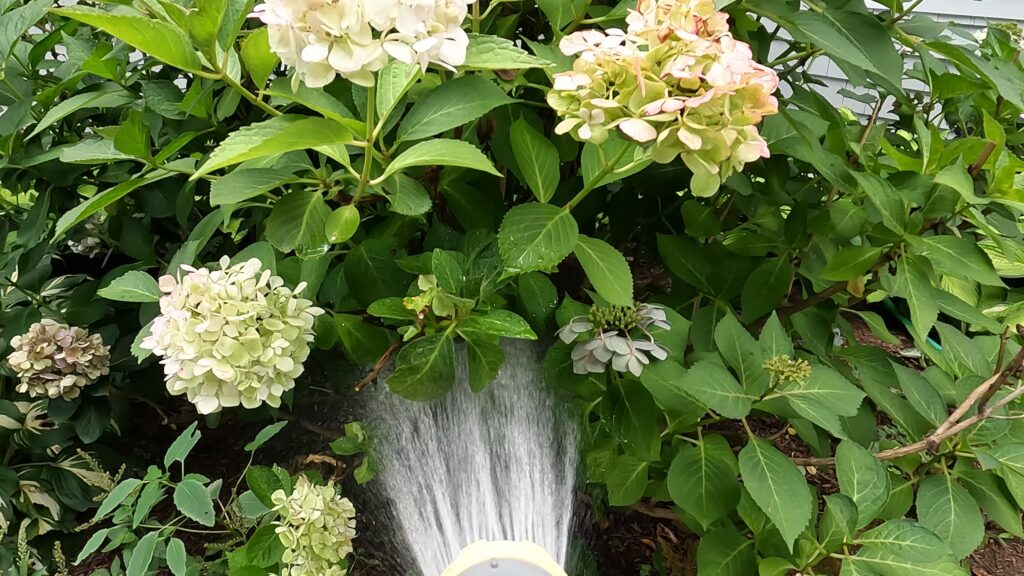
If it didn’t, I’d drag out the hose and give them a good, deep soak. During dry spells, I’d water twice a week. That’s it. No special fertilizers, no complicated pruning schedule.
The result? Total transformation. Within a couple weeks, the plants perked up, the leaves looked lush, and the blooms were bigger and more vibrant than I’d ever seen.
It turns out that even for a low-effort gardener like me, a little consistency goes a long way.
Why Hydrangeas Need Consistent Water
Hydrangeas have shallow root systems, which means they dry out quickly—especially in hot or windy weather.

Even missing just a day or two of watering during a dry spell can lead to drooping leaves, faded flowers, and a plant that looks anemic.
But when you keep the soil consistently moist, everything changes. The plant stays strong, the blooms last longer, and the colors appear richer and more vibrant.
When and How Often to Water
For me in Connecticut, watering once a week is usually enough—if there’s occasional rain. But when the forecast is dry, I make a point to water twice a week.
The key is giving them a good, deep soak each time so the water reaches those established roots.

The Best Time of Day to Water
Morning is ideal for watering hydrangeas. It gives the soil time to absorb moisture before the heat of the day, and helps prevent mildew and other moisture-related issues on the leaves.
Be Careful Not to Overwater
While hydrangeas love moisture, overwatering can be just as harmful as underwatering. If the soil is constantly soggy, the roots can suffocate, leading to root rot—a serious issue that can kill the plant.
To prevent this, avoid watering if the soil feels overly wet. Let the soil dry out between waterings.

If you’re unsure, simply check by feeling the soil a few inches down. If it’s still soggy or waterlogged, hold off on watering for a bit.
If in doubt, it’s better to wait an extra day or two before you water again. Hydrangeas are low-maintenance plants, so you shouldn’t need to fuss over them too much.
The key to healthy, thriving hydrangeas is balance. Don’t overwater. It’s always better to water less than to overdo it.
Don’t Forget to Mulch
A layer of mulch around the base of your hydrangea works wonders. It helps retain moisture, keeps the roots cool, and reduces how often you need to water—definitely a win for us lazy gardeners!
However, be mindful of airflow around the roots. Mulch lightly—don’t overmulch.

Overcrowding the base can restrict air circulation, leading to excess moisture retention and potential issues like mold or root rot.
Giving your plants some breathing room will keep them healthy and thriving.
Vibrant Colors
Did you know that keeping your hydrangeas consistently hydrated can actually enhance their color?
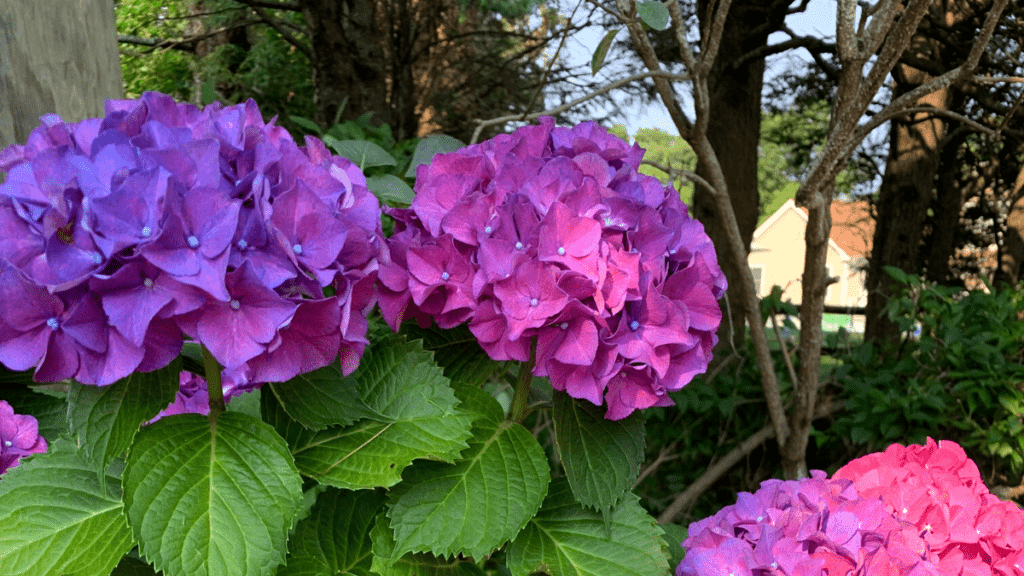
In acidic soil, regular watering helps the plant absorb aluminum, which intensifies those stunning blue hues.
Even pink and purple varieties bloom more vibrantly when they’re healthy and well-hydrated. Learn how to change the color of your hydrangea flowers.
So, the next time you admire a particularly gorgeous hydrangea, remember: the trick isn’t some fancy fertilizer or hidden gardening secret. It’s simply about giving them what they need—consistent watering.
Get Your FREE Hydrangea Care Tracker Printable

Sign up once and you will get access to ALL exclusive content on this website. After unlocking the printable, just save the printable image and then print it. Use it to keep track of your hydrangea care! I hope you like it!
