
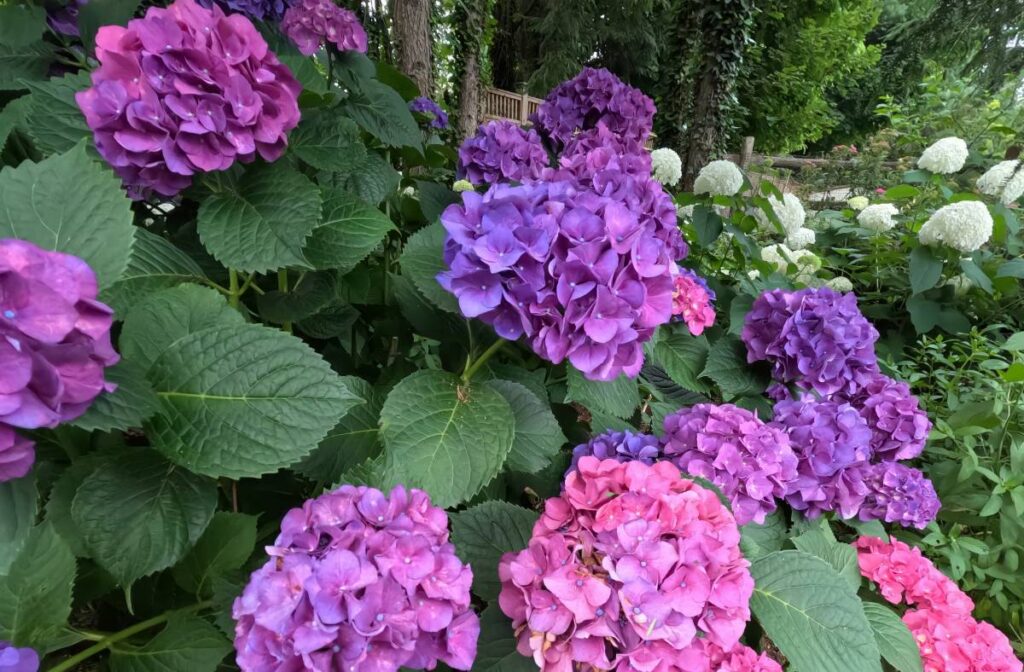
Hydrangeas may have a reputation for being low maintenance, but when it comes to watering, there’s more nuance than meets the eye. In fact, some of the most common reasons hydrangeas fail to thrive—or bloom at all—come down to simple watering mistakes.
Whether you’re just getting started in the garden or you’ve been growing for years, knowing what not to do can make all the difference. Avoid these common hydrangea watering mistakes, and you’ll be rewarded with healthy plants and stunning blooms season after season.
1. Mistaking Heat Wilt for Thirst
One of the most common watering mistakes is misreading a hydrangea’s response to heat. During the hottest part of the day, hydrangeas often appear limp or wilted, but this is a natural reaction to stress from intense sun exposure. It doesn’t necessarily mean the plant is dehydrated.
If you water at this point, you may end up overwatering, which can suffocate the roots and lead to root rot. The better approach is to wait until the evening when the temperature has dropped. If the leaves perk up on their own, the plant had enough water all along.
2. Watering While Leaves Are Still Curled from Heat
Hydrangea leaves may curl or droop dramatically in the heat, leading many gardeners to assume they’re in immediate need of water. But watering while the plant is still under heat stress can overwhelm the roots.
Instead, wait until the cooler part of the evening to observe whether the leaves naturally recover. If they remain curled or limp even after sunset, then it’s likely the plant does need watering. Patience helps you avoid unnecessary watering and the problems that come with it.
3. Watering at Night
Although it may seem like a good idea to water when the sun has gone down and evaporation is less likely, watering at night can backfire.
When water sits on the leaves and soil surface overnight, it creates a perfect environment for fungal diseases such as powdery mildew and leaf spot. It also attracts pests like slugs and snails, which are most active after dark and love moist conditions.
If you’re watering late in the day, aim to do it early enough in the evening so the foliage has time to dry before nightfall.

4. Skipping the Morning Watering Window
Early morning is the ideal time to water hydrangeas. This timing allows the plant to absorb moisture before the heat of the day sets in, helping it withstand sun and wind.
Morning watering also gives the leaves and soil surface time to dry, which reduces the likelihood of disease. If you water later in the day, especially during peak sun, much of the moisture may evaporate before it reaches the roots.
If you water too late in the evening, it can create damp conditions overnight, which invite pests and disease.

5. Shallow Watering
Hydrangeas have relatively shallow root systems, but they still need deep watering to remain healthy—especially during dry spells. A light, superficial watering only wets the top inch or two of soil and encourages roots to stay near the surface, making the plant more vulnerable to drought and heat.
Instead, water deeply enough so the moisture reaches six to eight inches down. Deep watering encourages the roots to grow deeper into the soil, making the plant more resilient and reducing the need for constant watering.

6. Watering the Leaves Instead of the Soil
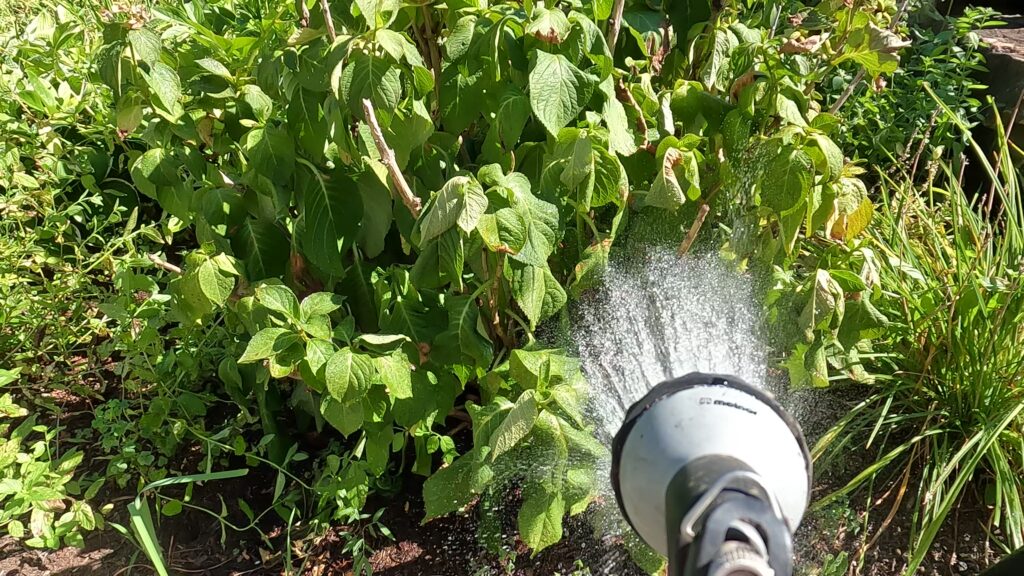
When watering, it’s important to direct the water to the soil at the base of the plant rather than over the leaves or flowers. Wet foliage, especially in warm or humid conditions, creates a breeding ground for fungal diseases like powdery mildew, botrytis, and leaf spot.
Additionally, water that lands on the blooms can cause spotting or browning, which detracts from the plant’s appearance. Use a watering wand, soaker hose, or watering can with a narrow spout to ensure water goes directly where it’s needed—into the soil and down to the roots.

7. Not Checking the Soil First
It’s easy to assume your hydrangeas need water based on appearance alone, but the best way to know for sure is to check the soil. Stick your finger about 2 inches into the ground near the plant. If it feels moist, wait another day before watering.
Hydrangeas can tolerate slightly dry soil for short periods, but they do not handle soggy conditions well. Overwatering is one of the most common causes of plant failure. By feeling the soil before you water, you prevent root suffocation and give the plant a healthier growing environment.
8. Watering on a Set Schedule
While it’s tempting to stick to a regular watering routine, hydrangeas don’t thrive on a fixed schedule. Their water needs change with the weather, soil type, and time of year.
A rigid schedule may result in overwatering during rainy or cool weeks and underwatering during heat waves. Instead of watering on certain days, assess your plant’s condition and the soil’s moisture.
Stay flexible and let the environment dictate your watering habits. Hydrangeas will need more water during prolonged hot, dry spells and significantly less during cloudy, cooler periods.

9. Overwatering Because You Love Your Plant
Many gardeners overwater their hydrangeas because they want to give them the best possible care. Unfortunately, too much water can do more harm than good.
Constantly soggy soil cuts off oxygen to the roots, leading to root rot, nutrient deficiencies, and stunted growth. Hydrangeas generally prefer moist but well-drained soil.
If you’re unsure whether to water, it’s usually safer to wait a day. Signs of underwatering—such as wilting—are easier to recover from than root rot caused by overwatering. A little restraint goes a long way.
10. Not Mulching Around the Base
Skipping mulch can lead to rapid moisture loss from the soil, especially in hot or windy weather. A 2–3 inch layer of mulch helps retain soil moisture, regulates soil temperature, and reduces evaporation.
It also helps prevent weeds, which compete with your hydrangeas for water. Just be sure to keep mulch a couple of inches away from the base of the stem to prevent rot.
11. Watering During or Just Before Rain
If rain is in the forecast—or has just fallen—there’s often no need to water at all. Overlapping your watering schedule with rainfall leads to soggy soil and increases the risk of disease.
Always check the weather and soil moisture before watering. A rain gauge can be a helpful tool to track how much water your garden has already received.
12. Not Adjusting Watering Based on Growth Stage
Hydrangeas don’t have the same watering needs throughout their life cycle. Newly planted hydrangeas have shallow, developing root systems and require more frequent, consistent watering to establish themselves—sometimes daily in hot weather.
Mature hydrangeas, on the other hand, are more resilient and may only need deep watering a couple of times a week or even once a week, depending on the climate and soil conditions.
Ignoring these stages can result in stunted growth, fewer blooms, or transplant shock.
13. Not Adjusting Watering for the Time of Year
Hydrangeas’ water needs also vary significantly depending on the season. In spring and summer, especially during hot or dry spells, they may require more frequent deep watering.
However, as fall approaches and temperatures drop, the plant naturally slows its growth, and watering should taper off. Continuing to water heavily in the cooler months can lead to overly wet soil and increase the risk of disease, especially as the plant heads into dormancy.
Winter watering is usually unnecessary unless you’re in a dry, mild climate where the soil dries out completely.
14. Not Watering According to Your USDA Planting Zone
Hydrangeas grow across a wide range of USDA planting zones, and watering needs can vary dramatically depending on your local climate. For example, in cooler zones (Zones 5–7), you may not need to water as frequently, especially if your region gets regular rainfall.
While warmer zones (Zones 8–9) often have longer, hotter summers and less consistent rainfall, requiring more diligent and frequent watering.
Ignoring your zone’s climate and blindly following general watering advice can result in either underwatering or overwatering. It’s important to tailor your watering habits to your specific region and growing conditions.
Get Your FREE Hydrangea Care Tracker Printable

Sign up once and you will get access to ALL exclusive content on this website. After unlocking the printable, just save the printable image and then print it. Use it to keep track of your hydrangea care! I hope you like it!

You May Also be Interested in these Hydrangea Care Tips
Step by Step: How to Easily Propagate Hydrangeas (video)
How to Deadhead Hydrangeas (video)
How to Make Hydrangeas Flower (video)
Beginner’s Guide: How to Care for your Hydrangea (video)
Can I Transplant Hydrangeas in the Summer?