
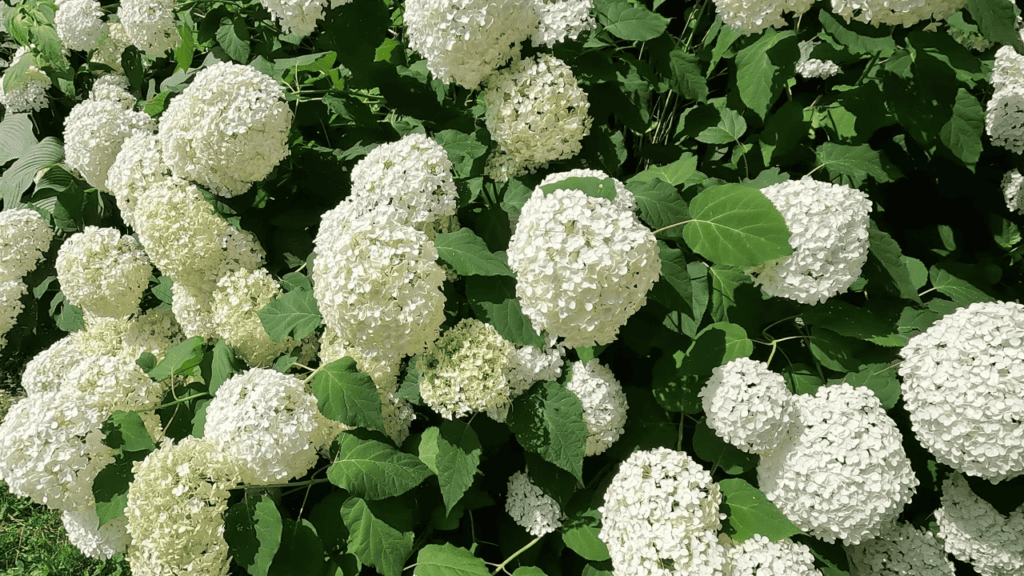
Heatwaves can be brutal on hydrangeas. With temperatures soaring and soil drying out faster than usual, it’s tempting to drench your plants every time they look droopy. But during extreme heat, even small watering mistakes can cause long-term damage. Here’s what to avoid if you want your hydrangeas to survive—and even thrive—during a heatwave.
1. Watering in the Middle of the Day
Watering during the hottest part of the day—usually between 10 a.m. and 4 p.m.—is one of the biggest mistakes you can make. The intense sun causes most of the water to evaporate before it even reaches the roots.
On top of that, water droplets on leaves can act like tiny lenses, focusing sunlight and causing leaf scorch or sunburn. Instead, water early in the morning before 9 a.m. This early morning timing allows water to soak deep into the soil so it reaches the roots.
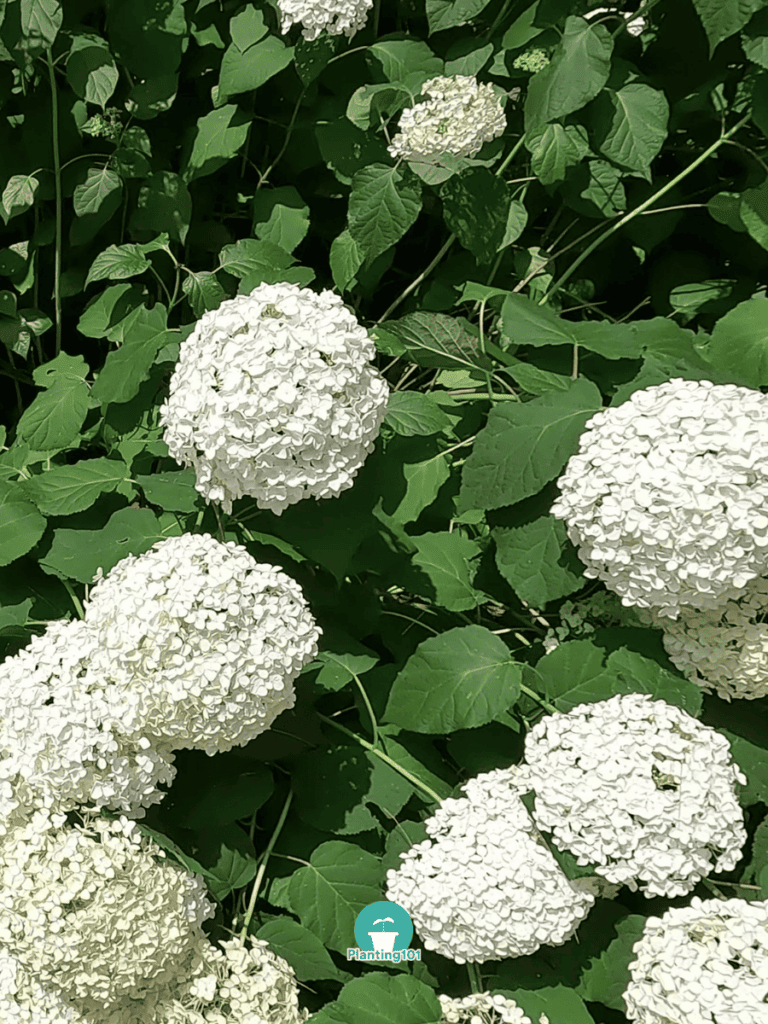
2. Assuming Wilted Leaves Always Mean Dehydration
Hydrangeas often droop as a natural response to high heat, even if the soil is moist. This is a way for the plant to conserve water. If you water every time you see wilted leaves, you risk overwatering.
A better approach is to wait until evening or early morning when temperatures cool and check if the leaves perk back up on their own. Only water if the soil is dry and the leaves remain limp.
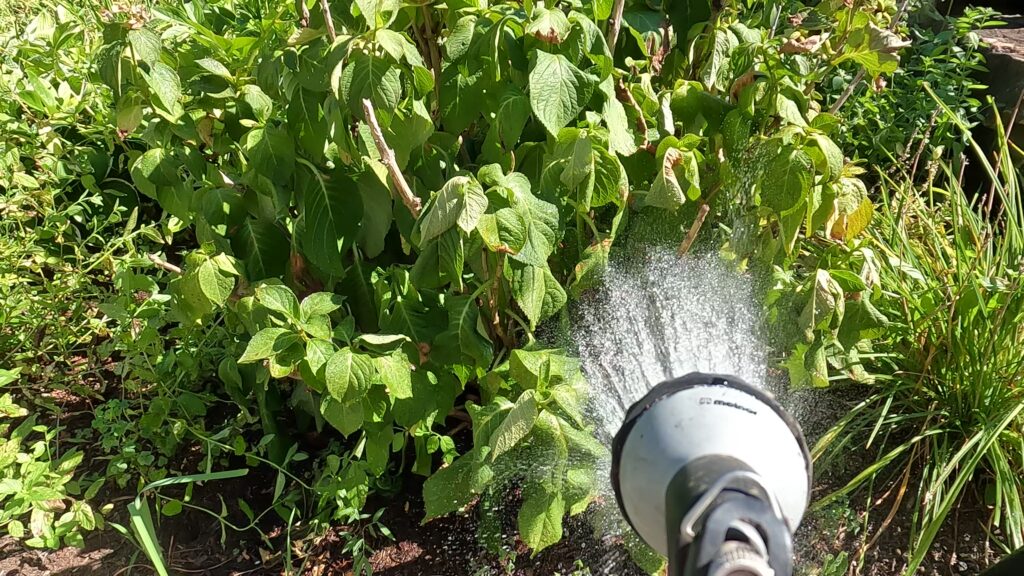
3. Not Adjusting Watering Based on Growth Stage
Hydrangeas’ water needs vary depending on their growth phase. Newly planted hydrangeas are especially vulnerable during a heatwave and need daily watering to survive. Their roots are shallow and not yet established, so without consistent moisture, they can quickly dry out and die.
Mature hydrangeas have deeper roots and can handle slightly less frequent watering but still benefit from deep soaking. Always tailor your watering routine to the plant’s age and health.
4. Not Watering According to Plant Location
Where your hydrangeas grow makes a huge difference in how much water they need—especially during a heatwave. Plants growing in full sun lose moisture much faster because the heat intensifies evaporation from the soil and causes leaves to transpire more rapidly.
These sun exposed hydrangeas often need watering every day during a heatwave to stay healthy.
On the other hand, hydrangeas growing in partial shade or under tree canopies lose moisture more slowly and typically need less frequent watering.
Failing to adjust watering based on your plant’s exact location can cause sun exposed plants to dry out and suffer stress or damage, while shaded plants may get overwatered if you follow a one-size-fits-all watering schedule.
Pay close attention to how much sun your hydrangeas get and tailor your watering routine accordingly.
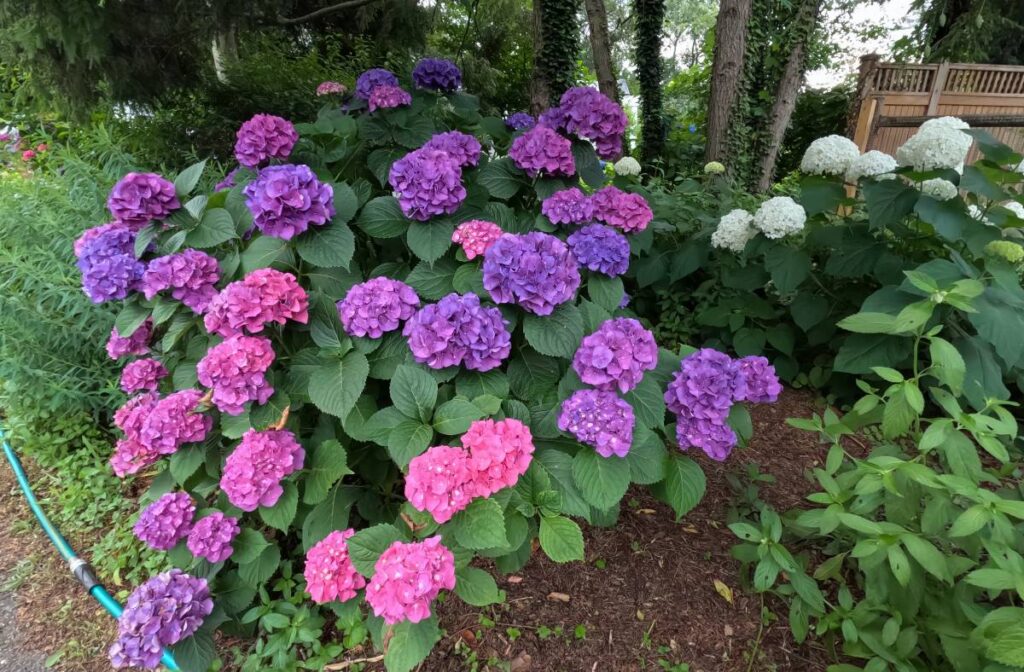
5. Watering Shallowly and Frequently
Giving your hydrangeas just a quick splash won’t help during extreme heat. In hot weather, that shallow moisture evaporates quickly, leaving roots dry and stressed.
Instead, water deeply so moisture penetrates at least 6–8 inches into the soil. Deep watering encourages roots to grow downward, making your hydrangeas more resilient to drought and heat.
6. Not Checking Soil Moisture First
Looks can be deceiving during a heatwave. The top layer of soil may appear dry while the deeper layers are still moist.
Before watering, stick your finger a couple of inches into the soil. If it’s still damp, hold off. This prevents overwatering, which is surprisingly easy to do in extreme heat.
7. Watering in the Evening Without Enough Time to Dry
Watering in the evening may seem like a good idea because temperatures are cooler, but it has a downside. Water sitting on leaves overnight creates ideal conditions for mold and mildew.
If you need to water in the evening, do it early enough that the plant has time to dry before nightfall. Otherwise, stick to early morning watering to keep foliage dry.
8. Forgetting to Mulch
Bare soil loses moisture quickly in extreme heat. Mulch acts like a protective blanket, helping the soil retain water and stay cooler.
Apply a 2–3 inch layer of mulch around the base of your hydrangeas, but keep the mulch a few inches away from the stems to prevent rot.
9. Ignoring Container Hydrangeas
If you have hydrangeas in pots, they’ll dry out much faster than those planted in the ground—sometimes even within a single hot day.
During a heatwave, check container plants daily or even twice daily. Ensure pots have good drainage to avoid waterlogging, and consider moving container hydrangeas to shaded or cooler spots during peak heat.
10. Not Adjusting Your Watering Schedule for Prolonged Heat
If a heatwave lasts several days or longer, your normal watering routine may not be enough.
You’ll need to monitor your hydrangeas more closely and may need to water deeply every 1–2 days instead of every few days. Adjust based on how quickly your soil dries out, not on a fixed schedule.
Get Your FREE Hydrangea Care Tracker Printable

Sign up once and you will get access to ALL exclusive content on this website. After unlocking the printable, just save the printable image and then print it. Use it to keep track of your hydrangea care! I hope you like it!

You May Also be Interested in these Hydrangea Care Tips
Step by Step: How to Easily Propagate Hydrangeas (video)
How to Deadhead Hydrangeas (video)
How to Make Hydrangeas Flower (video)
Beginner’s Guide: How to Care for your Hydrangea (video)
Can I Transplant Hydrangeas in the Summer?