

Do you have a new hydrangea ready to be planted in your garden, but you’re not sure where to plant it?
Below, I’ll go over the most common planting location mistakes that can stop your hydrangeas from blooming their best — and show you exactly where to put them so they grow big and beautiful.
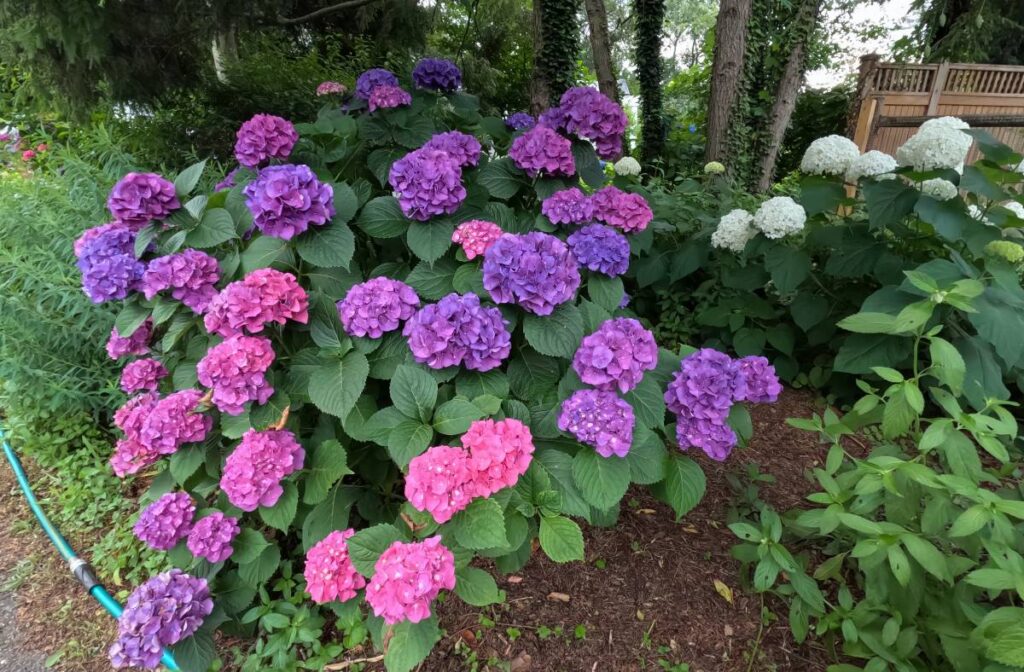
Hydrangea: Ideal Growing Location
Before we talk about where not to plant hydrangeas, let’s take a moment to understand what they do need to thrive. Hydrangeas are relatively low-maintenance, but if you plant them in the wrong spot, you won’t get those big, beautiful blooms you’re hoping for.
First, let’s talk about light. Hydrangeas generally prefer morning sun and need sunlight to flower prolifically. However, harsh afternoon sun can be too intense, especially in warmer climates, causing leaves to scorch and blooms to wilt quickly.
The ideal location provides bright but filtered light—or morning sun followed by afternoon shade.
Next is soil. Hydrangeas thrive in soil that is well-draining yet consistently moist. They don’t tolerate waterlogged soil because soggy roots can lead to rot and other diseases.
Now that we’ve covered what hydrangeas need to flourish, let’s go over some common planting location mistakes to avoid.

Common Hydrangea Planting Location Mistakes
1. Too Much Direct Sunlight
One of the biggest mistakes you can make is planting your hydrangeas in spots that get too much direct sunlight. Hydrangeas really don’t like being baked by the hot afternoon sun. Too much intense sunlight can scorch their leaves and cause their beautiful blooms to fade quickly.
So, it’s best to avoid planting hydrangeas where they’ll get full, harsh sun all day—especially if you’re gardening in warmer zones like 8 or 9.
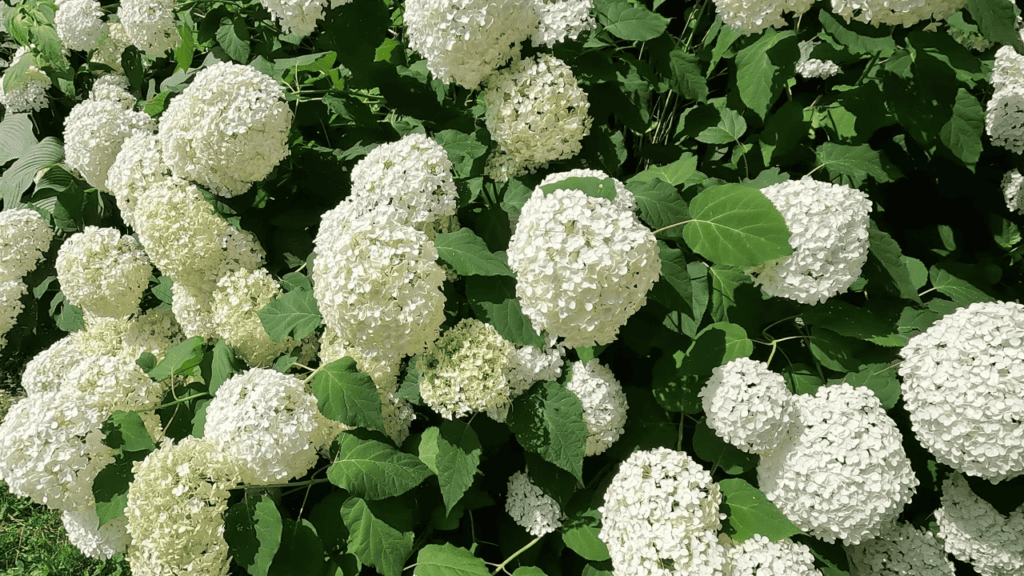
However, if you live in cooler zones, like 4 or 5, your hydrangeas can handle—and even benefit from—more sun exposure. In fact, more sunlight in these cooler climates can actually encourage better blooming.
For example, I’m in Coastal Connecticut, zone 7, and I’ve noticed that my hydrangeas planted in sunnier spots tend to produce more flowers compared to those in shadier areas.
2. Under Large Trees
While hydrangeas do appreciate some shade, too much shade can lead to weak growth and fewer flowers. These plants need sunlight—especially morning sun—to really thrive.
Ideally, they enjoy bright mornings with some afternoon shade to protect them from the hottest part of the day.
Another challenge with planting hydrangeas under large trees is competition. Big trees have extensive root systems that compete with your hydrangea for water and nutrients, making it harder for your plant to get what it needs to grow strong and bloom beautifully.
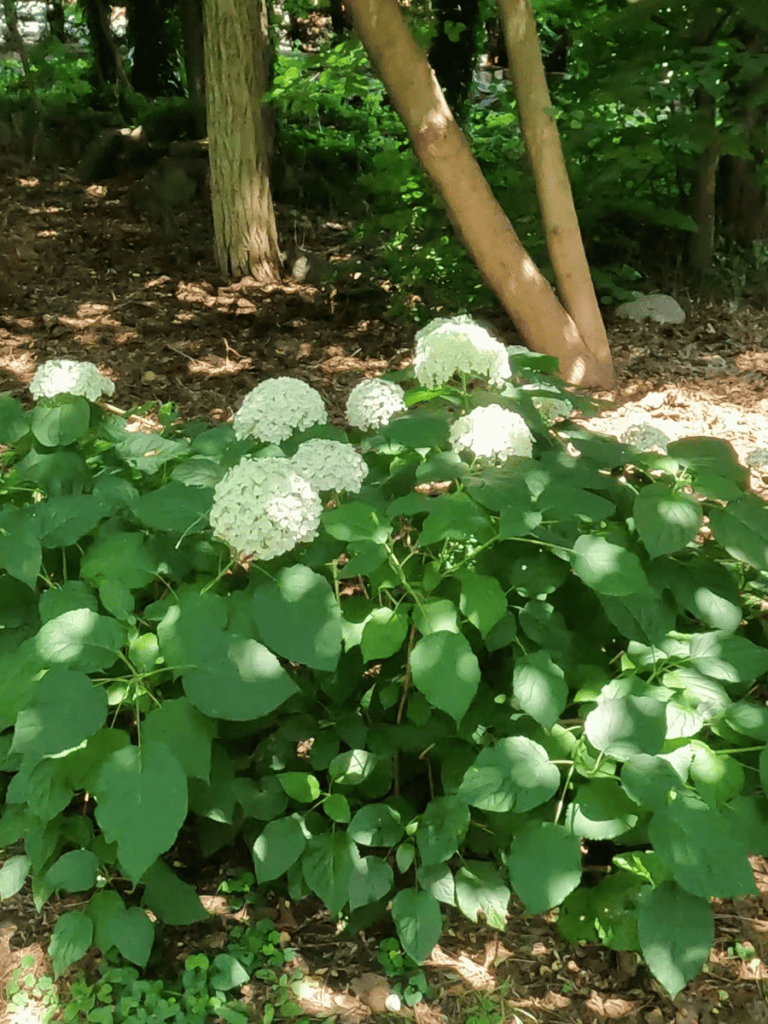
If you have hydrangeas planted under trees, one helpful trick I use is trimming the tree branches above to allow more sunlight to filter through. This simple step can make a big difference, encouraging healthier growth and more vibrant flowers.
Also, keep in mind that shade doesn’t only come from trees. It can come from your house or nearby structures as well.
Before you plant, spend some time observing your garden spot throughout the day to see how much sunlight it really gets. This helps you avoid accidentally planting in a spot that’s too shady for your hydrangea.
3. Crowding Hydrangeas Too Close Together
Another common mistake is planting hydrangeas too close to each other. These plants grow big and wide, often spreading several feet across as they mature.
When they’re crowded, their branches compete for sunlight, and airflow is reduced, which can lead to weaker growth and an increase in diseases.
Crowding also means the plants don’t have enough space to fully develop their beautiful blooms. Overlapping branches can get damaged more easily.
To avoid this, make sure to give each hydrangea plenty of room. Spacing them out neatly in a row not only helps the plants stay healthy but also creates a clean, attractive look in your garden.

Proper spacing allows each hydrangea to grow to its full size without stress and ensures enough light and air circulation for beautiful, healthy blooms.
4. Poor Soil Drainage
One of the most important factors for healthy hydrangeas is well-draining soil. While hydrangeas love consistent moisture, they absolutely cannot tolerate sitting in waterlogged or soggy soil.
When water pools around the roots or drains too slowly, it can cause root rot—a serious condition that leads to wilting, yellowing leaves, and can even kill your plant.
Watch out for spots in your garden where water naturally collects, like low-lying areas or near gutters and downspouts.
For example, planting hydrangeas directly below a gutter downspout is a bad idea because it exposes your hydrangea to too much water at once, which can overwhelm the roots and cause problems.
Getting the soil moisture right is key to keeping your hydrangeas happy and blooming beautifully year after year.
5. Planting Hydrangeas Too Close to Buildings and Fences
Don’t plant hydrangeas too close to walls, fences, or other structures. When hydrangeas are crowded near buildings or fences, air circulation becomes limited, which increases humidity around the plant and creates ideal conditions for fungal diseases.
Limited airflow also means the plant dries out more slowly after rain or watering, which can encourage mold and rot.
Additionally, walls and fences can block sunlight, reducing the amount of light your hydrangea receives. Since hydrangeas need sun to bloom well, too much shade can result in fewer flowers and weaker growth.
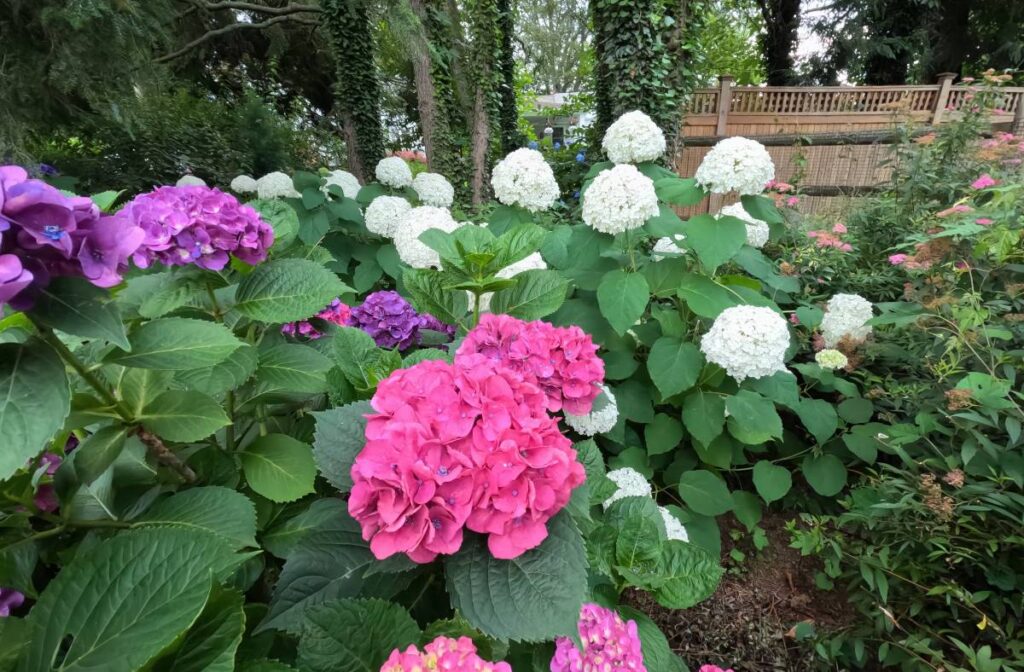
There’s also the issue of restricted root growth. Buildings and paved surfaces limit the space available underground for hydrangea roots to spread.
Hydrangeas are thirsty plants with extensive root systems that need room to absorb water and nutrients. Crowding them too close to a foundation can stunt their growth and reduce blooms.
To give your hydrangeas the best chance to grow, plant them with plenty of space.
6. Windy Locations
While not as critical as some other factors, planting hydrangeas in windy or exposed locations can still cause problems—especially if you live in an area with strong, persistent winds.
Wind can quickly dry out the soil and the plant itself, leaving your hydrangea thirsty and stressed. It can also physically damage the delicate leaves and flowers.
One common issue is natural “wind tunnels” — narrow paths between fences, buildings, or rows of shrubs where wind is funneled and intensified. These spots can be tough on hydrangeas.
To keep your hydrangeas looking their best, try to choose a location that offers some protection from harsh winds. Providing this bit of shelter can make a big difference in how healthy and vibrant your hydrangeas grow year after year.
Get Your FREE Hydrangea Care Tracker Printable

Sign up once and you will get access to ALL exclusive content on this website. After unlocking the printable, just save the printable image and then print it. Use it to keep track of your hydrangea care! I hope you like it!

You May Also be Interested in these Hydrangea Care Tips
Step by Step: How to Easily Propagate Hydrangeas (video)
How to Deadhead Hydrangeas (video)
How to Make Hydrangeas Flower (video)
Beginner’s Guide: How to Care for your Hydrangea (video)
Can I Transplant Hydrangeas in the Summer?