If you want a beautiful garden next year without doing a lot of work, fall is actually one of the best times to start planting.
And as a self-proclaimed lazy gardener, I’m always looking for plants that come back year after year without needing constant attention.
So today, I’m sharing 11 beautiful flowers that you can plant this fall. These are not random plants I picked from a list.
I actually grow every single one of these in my own garden, so you’re seeing what they really look like in my yard.
Some of these are perennials you can plant in early fall, while others are spring flowering bulbs that you’ll want to plant a little later, once the weather and soil cool down.
Peonies
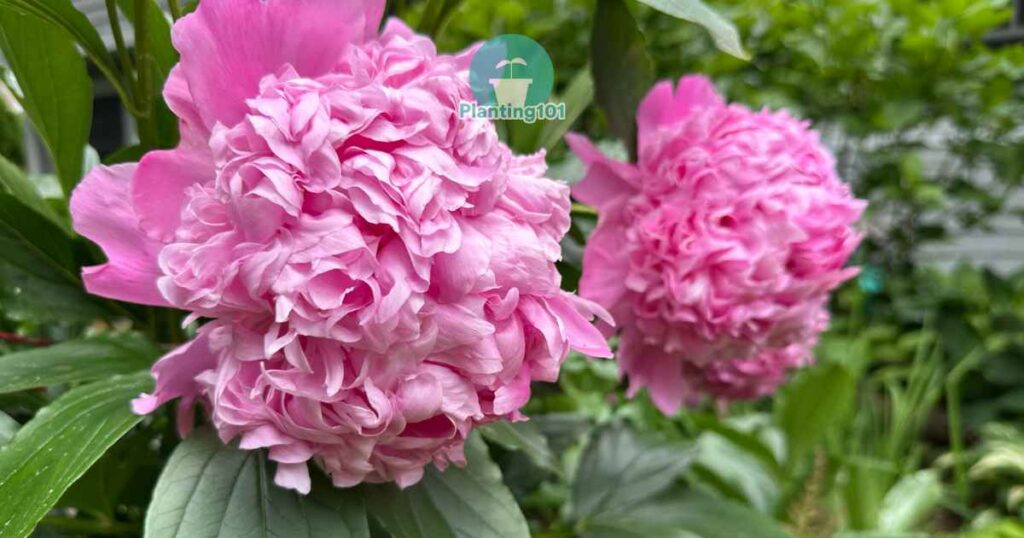
Let’s start with one of my favorite flowers: peonies.
If you want a plant that gives you a lot of beauty for surprisingly little work, peonies are hard to beat.
They’re one of those plants that you can plant once and enjoy for years and years. In fact, a happy peony can live for decades.
Fall is actually a great time to plant bare-root peonies.
Peonies like plenty of sun and well-draining soil, and once they’re established, I really don’t do much to mine.
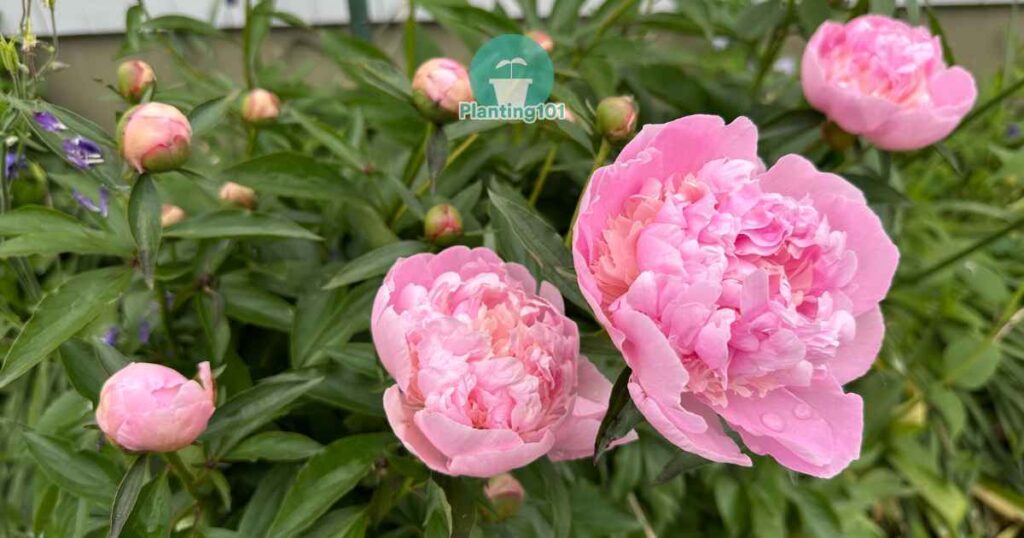
Then every spring, they come back and give me these enormous, gorgeous flowers.
For a lazy gardener, that’s exactly the kind of plant I want.
Black-Eyed Susans
If you want something cheerful and ridiculously easy, try Black-Eyed Susans.
They’re those bright yellow flowers with dark brown centers, and they’re one of those plants that can make a garden look like you’ve done a lot more work than you actually have.
They like full sun, they’re pretty drought tolerant once established, and they bloom for weeks.
They can also spread, which can either be a good thing or something you need to keep an eye on.
Personally, if a pretty flower wants to multiply without me doing any work, I’m usually okay with that!
They’re a great choice for filling in a sunny garden bed.
Daylilies
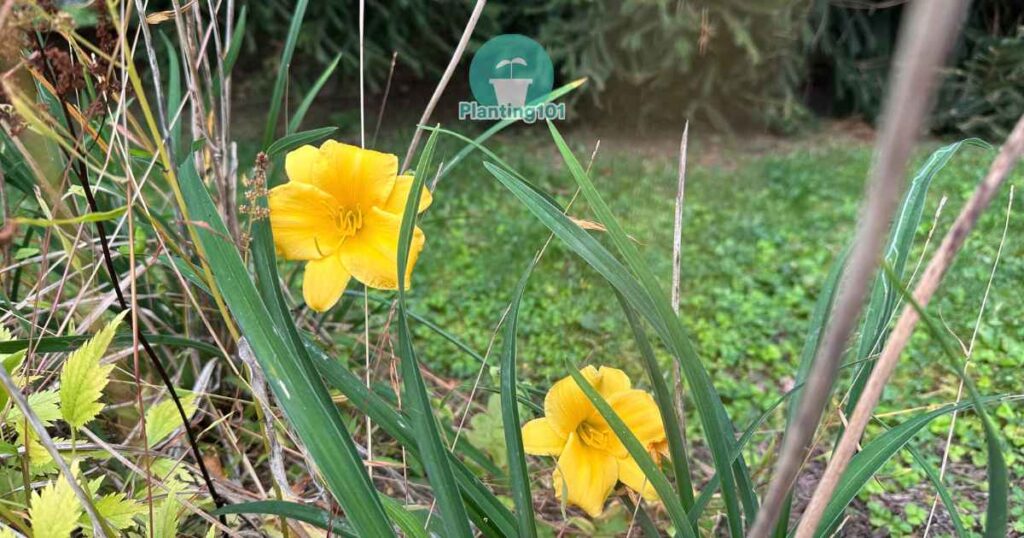
Daylilies have to be on any lazy gardener list.
They’re very forgiving.
You can find them growing around old houses, along roadsides and in gardens that haven’t received much attention in years.
And somehow, they still come back and bloom.
They tolerate a range of conditions, although you’ll generally get the best flowering with plenty of sun.
Fall is also a good time to divide established daylilies if your clumps have gotten too large. That’s basically free plants for another part of your garden.
Astilbe
So far I’ve talked about a lot of plants that like sun.
But what if you have a shady spot?
That’s where Astilbe comes in.
Astilbe is one of my favorite perennials for part shade. It produces these beautiful fluffy flower plumes that can come in pink, white, red and other shades.
Once you’ve planted it in the right location, it’s a pretty easy perennial.
The biggest thing Astilbe needs is moisture.
This isn’t a plant I would put in a hot, dry area of the garden and forget about. It prefers soil that stays consistently moist, especially during hot weather.
But if you have a partly shaded area with decent moisture, Astilbe can come back year after year without requiring much fuss.
Early fall is a good time to plant it because the cooler weather gives the roots a chance to establish before winter.
Irises
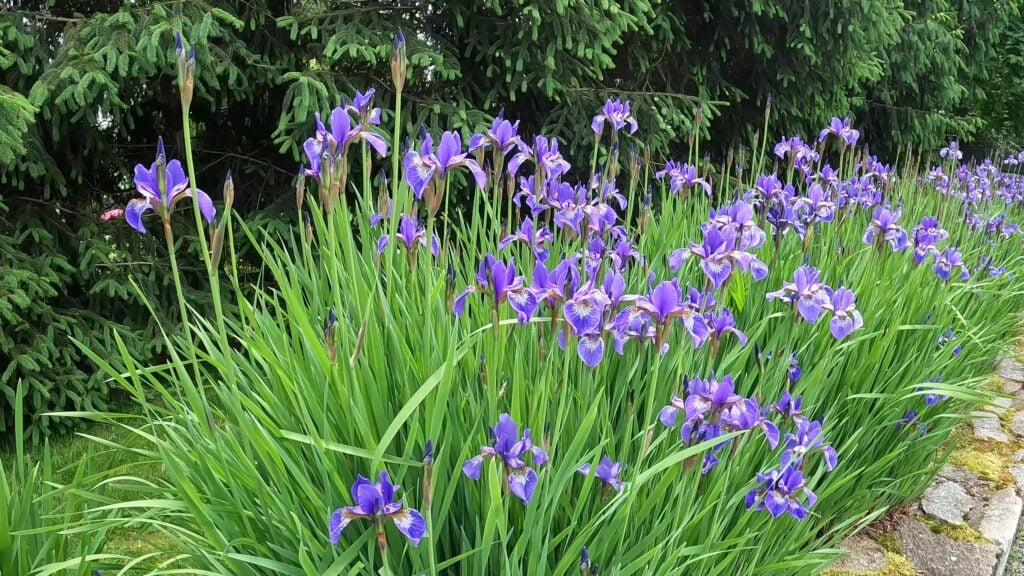
Another flower I grow and love is iris.
Irises are wonderful because once they’re established, they’ll return every year and can gradually multiply.
If you grow bearded iris, one important thing to remember is that the rhizomes shouldn’t be buried deeply.
They like good drainage and plenty of sun.
Eventually, a big clump may stop flowering as well, and that’s usually your sign that it’s time to divide it.
That’s a little bit of work every few years, but you’re rewarded with even more plants.
Shasta Daisies
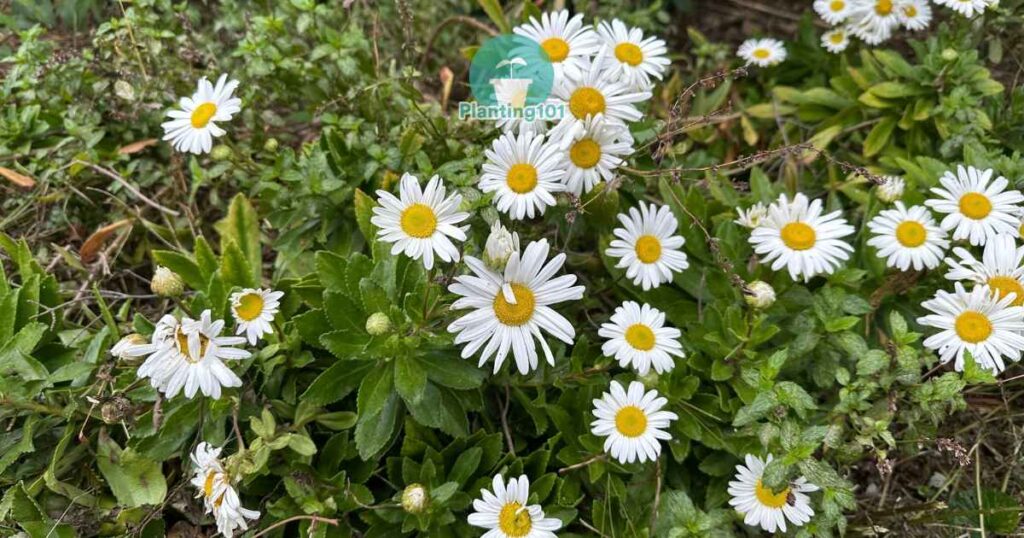
If you love that classic white flower with a sunny yellow center, plant Shasta daisies.
They’re simple, cheerful and very easy to incorporate into almost any garden.
Give them plenty of sun and well-draining soil, and they’ll return year after year.
Deadheading the spent flowers can keep the plants looking nicer and may encourage additional blooms, but they’re not plants that I feel like I have to constantly fuss over.
Hydrangeas
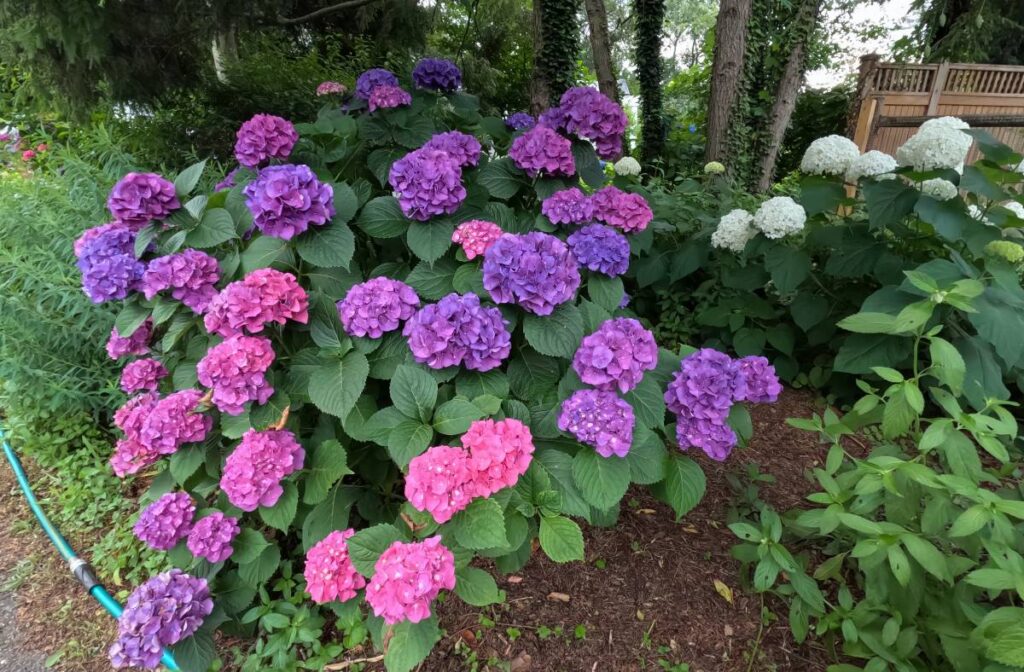
Of course, I couldn’t make this list without hydrangeas.
Hydrangeas look like they should be high-maintenance because the flowers are so spectacular, but once you have them growing in the right location, they can actually be surprisingly easy.
Fall can be a good time to plant a container-grown hydrangea because the temperatures are cooler and the plant can focus on developing roots instead of dealing with summer heat.
Just don’t plant too late. You want to give your hydrangea time to start getting established before the ground freezes.
Daffodils
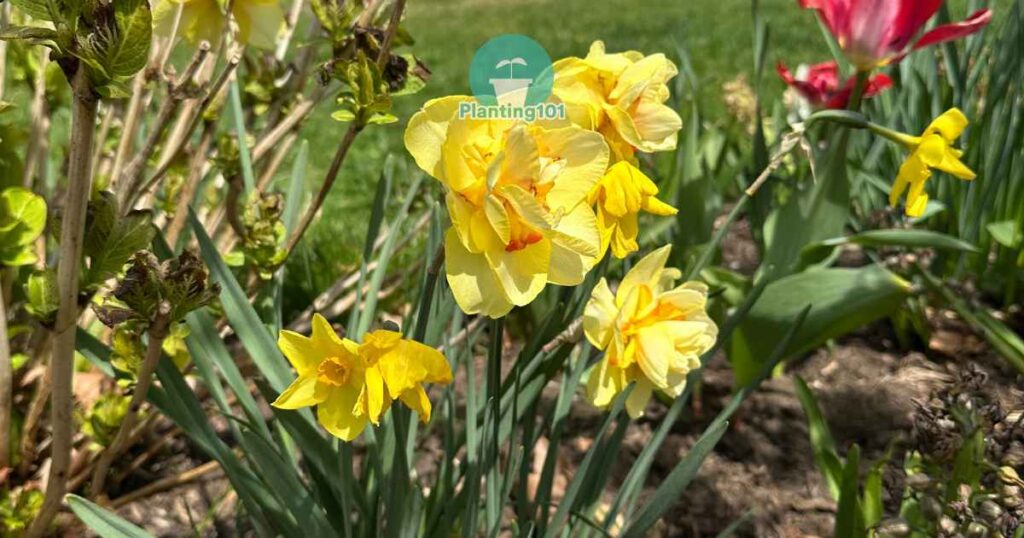
Now we’re moving into bulbs.
Daffodils are one of my favorite spring bulbs because they’re about as close as you can get to plant-it-and-forget-it gardening.
You plant the bulbs in the fall, wait all winter, and then suddenly you have flowers in early spring.
Even better, daffodils tend to come back year after year and multiply when they’re happy.
They’re also generally less appealing to deer than tulips.
Plant your daffodil bulbs after the weather and soil have cooled but before the ground freezes.
And remember: pointy side up!
Alliums
If you’ve ever seen those giant purple balls floating above a garden bed, those are ornamental alliums.
And they’re surprisingly easy to grow.
Like daffodils, you plant allium bulbs in the fall for flowers the following year.
They’re related to onions and garlic, which is one reason deer and many other animals tend to leave them alone.
I love alliums because they add something completely different to a flower bed.
The tall stems and round flower heads create height and structure without requiring a lot of work.
Plant them in a sunny, well-drained location, and then basically let them do their thing.
Tulips
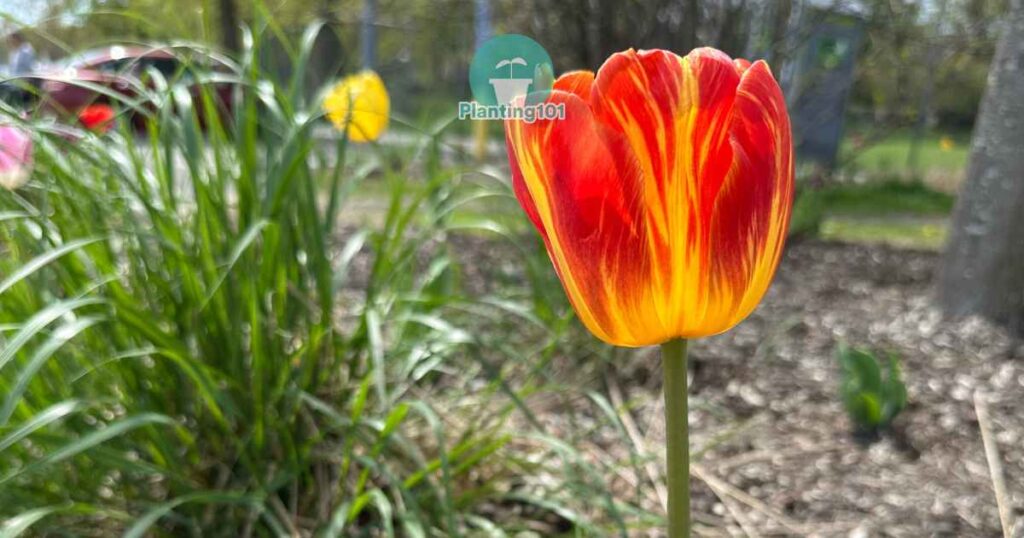
Finally, we have tulips.
Tulips are probably the plant on this list that requires the biggest disclaimer.
They’re easy to plant and the flowers are gorgeous, but many tulip varieties aren’t as reliably perennial as something like daffodils.
You might get an amazing display the first spring and fewer flowers in subsequent years.
And if you have deer, they may think you’ve planted them a salad bar.
But I still love tulips.
And fall is the time to plant them if you want those beautiful flowers next spring.
Unlike some of the perennials we talked about earlier, I wouldn’t rush to put tulip bulbs in the ground in August or early September.
Wait until the soil has cooled in fall. Here in the Northeast, that often means planting in October or even into November, as long as the ground hasn’t frozen.
When Should You Plant Everything?
One thing I want to make clear is that even though these are all plants for fall planting, you don’t necessarily plant all 11 on the same weekend.
Early fall is a great time for many of your container-grown perennials and shrubs because the weather is cooler but there’s still enough time for roots to establish.
Your spring-flowering bulbs, especially tulips, daffodils and alliums, can wait until the soil cools later in the fall.
So don’t feel like you need to run outside and plant everything today.
Fall gives us a nice long planting window.
And that’s one reason I love fall gardening.
You’re not dealing with the brutal summer heat, there are usually fewer weeds to worry about, and you’re doing the work now so that next year’s garden can basically surprise you with flowers.
Those are my 11 easy flowers to plant this fall.
And the best part is that most of these will come back year after year, which means less planting and less work for us lazy gardeners.
Watch my video:
10 Fall Hosta Mistakes to Avoid When Cutting Them Back
By October, hostas can start looking tired and unruly. The leaves may be full of…
6 Perennials You Should Not Cut Back in the Fall
Fall always makes me want to clean up my garden. Once the flowers start fading…
7 Hydrangea Mistakes That Are Almost Impossible to Fix
Are you wondering why your hydrangea barely has any flowers? It’s a plant that just…
7 Reasons Peonies are the Perfect Plant for Lazy Gardeners
If you are a lazy gardener, you have probably looked at peonies and thought, those…
Hydrangea Care Calendar: What to Do Month by Month Guide for Big Blooms
Why does one hydrangea bloom like crazy while another barely flowers at all? Most of…
8 Easy Perennials for Lazy Gardeners
As a lazy gardener, I want a garden that looks amazing, but easy to maintain….