I stopped by Home Depot’s garden center in November, and I was surprised by how many plants they still had for sale!
I expected to see a few leftover fall plants and maybe some evergreens. Instead, there were rows of colorful mums, shelves filled with cacti and succulents, tropical houseplants, and even outdoor trees and shrubs.
Some plants were perfect for bringing indoors, while others were better suited for adding color to the garden before winter.
I took photos of everything that caught my eye, including some plants I don’t always notice when I visit Home Depot.
If you’re planning a trip to Home Depot’s garden center, here’s a look at 15 plants and plant displays I spotted during my November visit, along with a few things to consider before buying them.
1. Colorful Mums
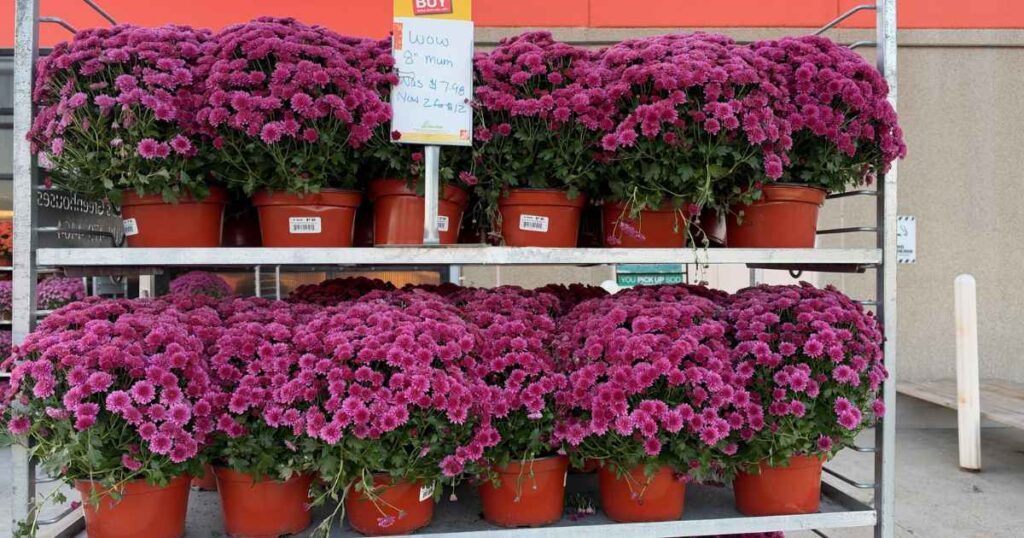
The first thing that caught my eye was the huge selection of mums outside Home Depot.
There were rows of chrysanthemums in purple, yellow, burgundy, orange, and pink. Some were arranged in hanging baskets, while others were displayed in traditional nursery pots.
I especially liked the large, rounded mums that were completely covered in flowers. They looked like colorful balls of blooms.
Mums are a great way to add instant fall color to a porch, patio, or front entrance.
However, if you’re buying mums in November, I would think of them primarily as seasonal decorations rather than assuming they’ll come back next year.
Mums planted this late in the season may not have enough time to develop strong roots before winter.
My shopping tip: Look for plants with some unopened buds if you want the flowers to last longer. A mum that’s already fully blooming may have a shorter display period.
2. Ornamental Grasses
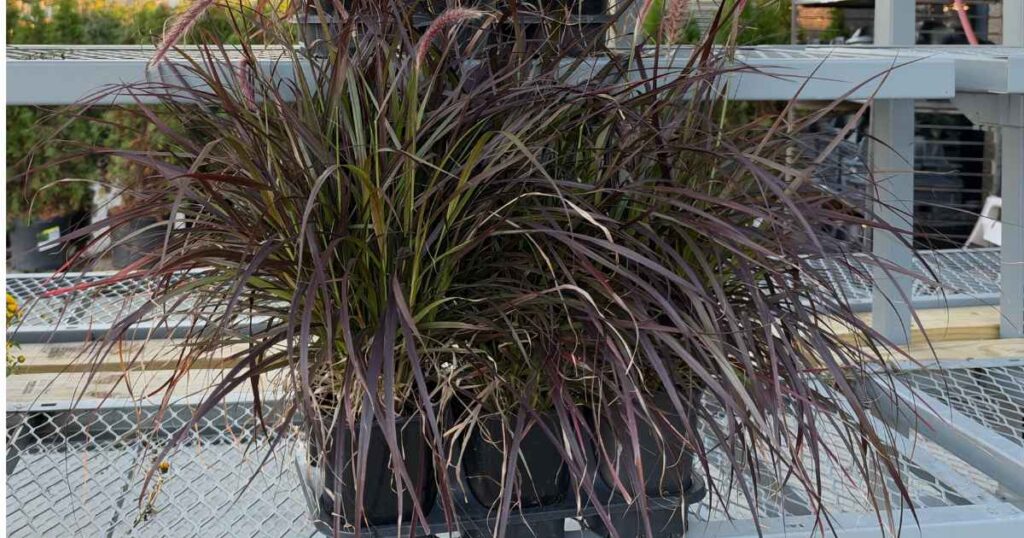
I also spotted ornamental grasses with tall, arching leaves and feathery seed heads.
These are the kinds of plants that can add texture and movement to a garden, especially when many summer flowers have finished blooming.
I like how ornamental grasses look planted in groups or mixed with flowering perennials.
But before buying one, check the plant tag carefully. Some ornamental grasses are hardy perennials, while others are tender varieties that may not survive cold winters.
The mature size also matters. A small potted grass can become much larger once established.
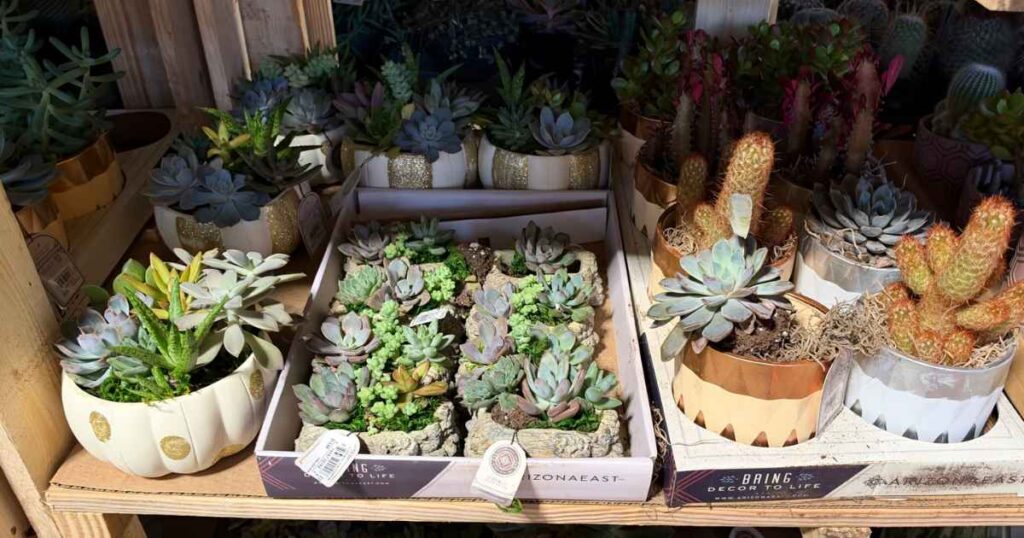
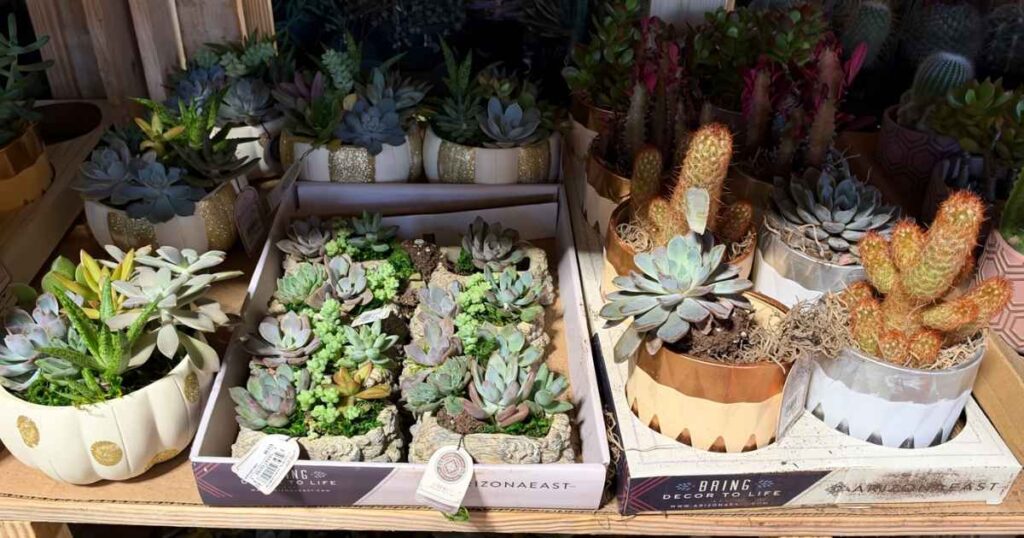
3. Miniature Succulent Arrangements
One of my favorite indoor plant displays was the collection of miniature succulents.
Home Depot had shelves filled with small arrangements featuring different shapes, textures, and shades of green.
Some were planted in decorative ceramic containers, making them look like ready-made gifts.
I can see these being popular for desks, windowsills, or small apartments.
But I always check whether decorative succulent pots have drainage holes before buying them.
Succulents generally don’t like sitting in wet soil, and those cute containers can sometimes make watering more difficult.
My shopping tip: Don’t choose a succulent based only on the container. Make sure you have enough light and can water it properly.
4. Echeveria Succulents
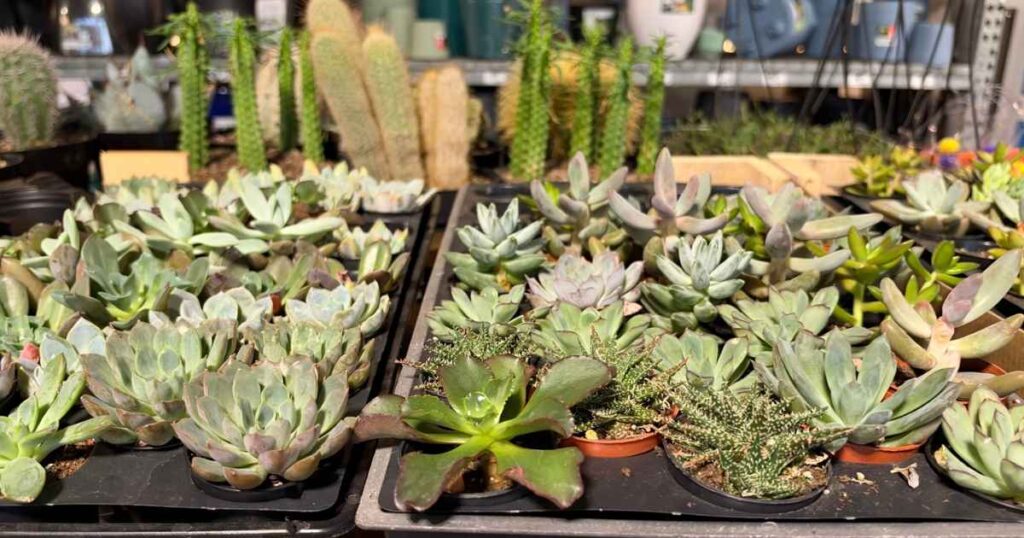
I noticed several rosette-shaped succulents that appeared to include echeverias.
These are some of the prettiest succulents because their thick leaves grow in neat, flower-like patterns.
I especially like the varieties with pale green, blue-green, and pinkish foliage.
They look beautiful grouped together, but they also have fairly specific light requirements.
Echeverias generally need plenty of bright light to maintain their compact shape. Without enough light, they can stretch and lose that attractive rosette appearance.
If you’re buying one during the darker winter months, make sure you have a sunny window or suitable grow light.
5. Small Potted Cacti
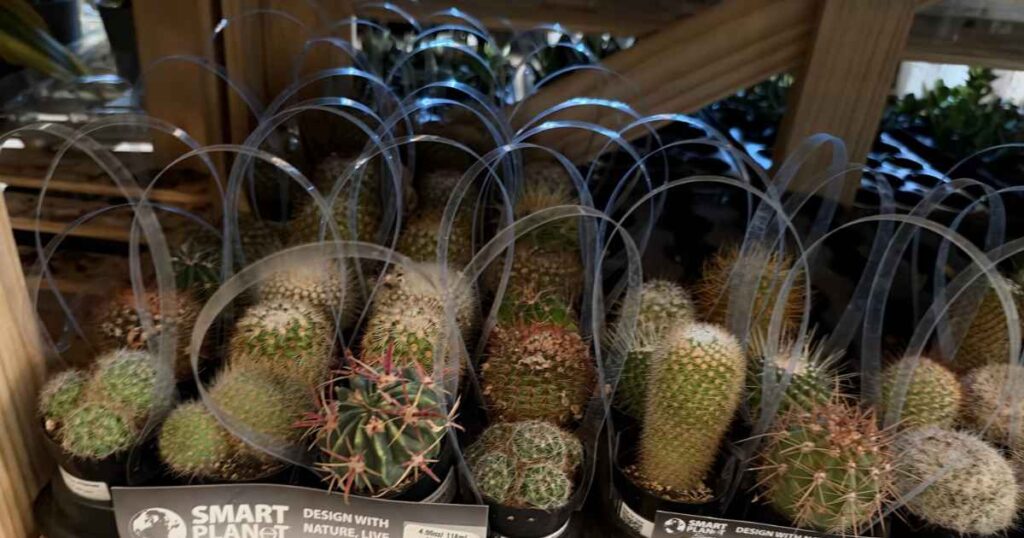
Home Depot had an impressive selection of small cacti.
I saw round cacti, fuzzy-looking varieties, and taller ones with interesting shapes.
Some were displayed in small nursery pots, while others were paired with decorative planters.
These are fun plants to collect, especially if you like unusual shapes and textures.
But despite their reputation for being easy to care for, cacti aren’t necessarily foolproof.
One common mistake is watering them too frequently, particularly during winter when growth often slows down.
Most desert cacti need a bright location, well-draining soil, and time for the soil to dry between waterings.
6. Colorful Decorative Cacti
These definitely caught my attention!
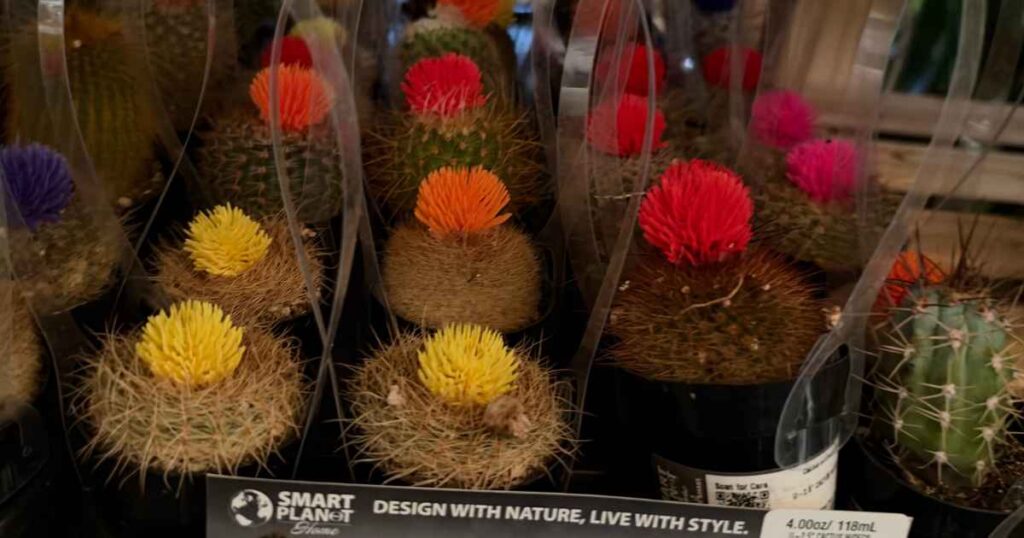
Home Depot had small cacti with bright orange, yellow, pink, purple, and red decorations on top.
They looked playful and colorful, especially when displayed together.
However, these weren’t all naturally colorful cactus flowers. Some appeared to have artificial decorations attached.
It’s important to understand what you’re buying because those decorations aren’t necessarily part of the living plant.
Personally, I prefer cacti in their natural form, but I can see why these colorful versions would appeal to shoppers looking for something different.
My shopping tip: Examine any decorative additions carefully and don’t mistake them for natural blooms.
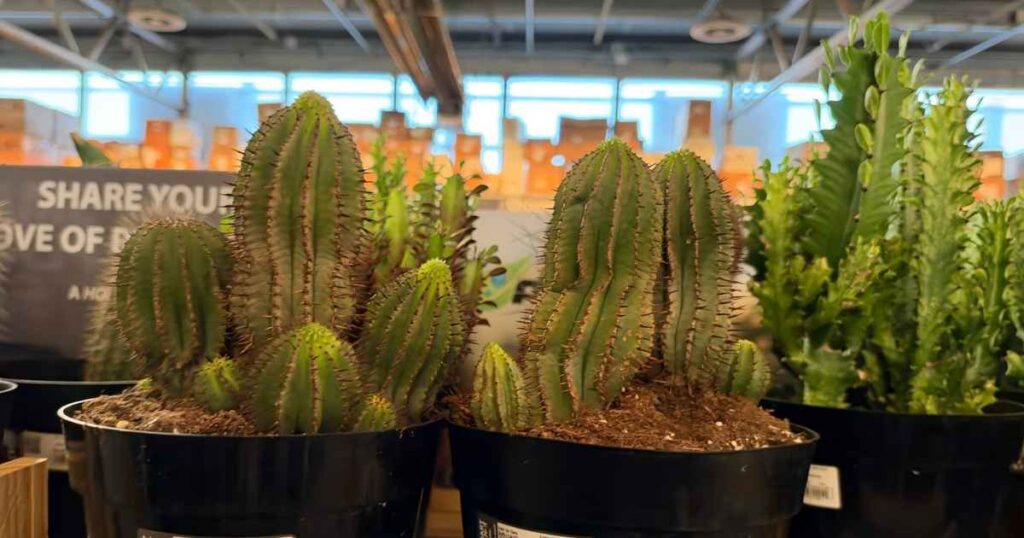
7. Large Statement Cacti
In addition to the miniature cacti, I spotted several much larger specimens.
Some were tall and column-shaped, while others had rounded bodies covered in prominent spines.
These would definitely make a statement in a sunny indoor space.
I like the idea of using one large cactus as a focal point rather than grouping lots of smaller plants together.
However, these are plants I’d research before purchasing.
Some cactus varieties eventually become very large, and their spines can make moving or repotting them difficult.
Check the mature size and light requirements before bringing one home.
8. Snake Plants
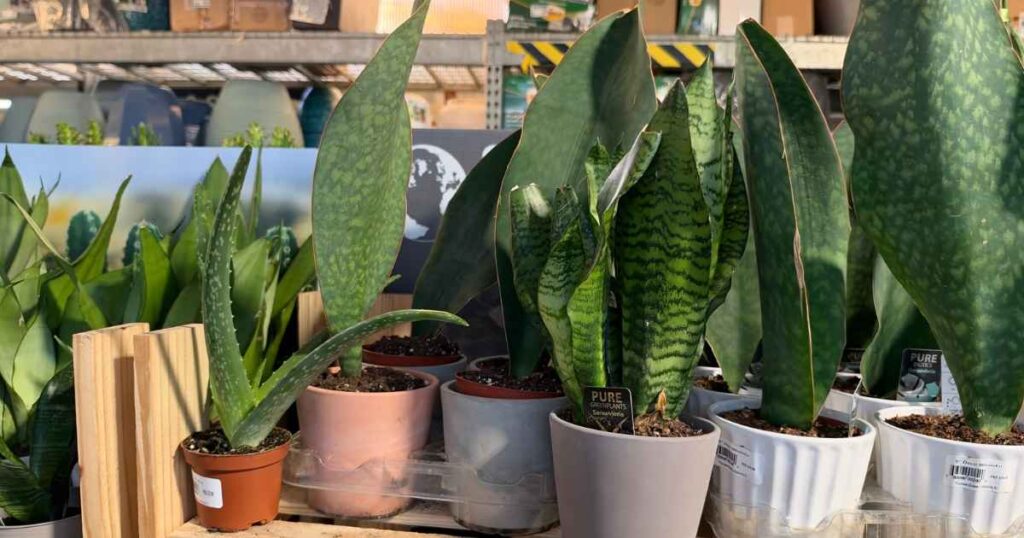
I was happy to see a good selection of snake plants at Home Depot.
These are among my favorite recommendations for people who want attractive houseplants without a complicated care routine.
Their tall, upright leaves make them ideal for corners, bedrooms, and other spaces where you want some greenery without taking up much floor space.
Snake plants tolerate a range of indoor light conditions, although they generally grow better with brighter indirect light.
They’re also fairly forgiving if you occasionally forget to water them.
The bigger danger is usually overwatering.
I spotted several sizes and leaf patterns, including plants in decorative containers.
My shopping tip: Choose a snake plant with firm, upright leaves, and make sure its pot drains properly.
9. Croton Plants
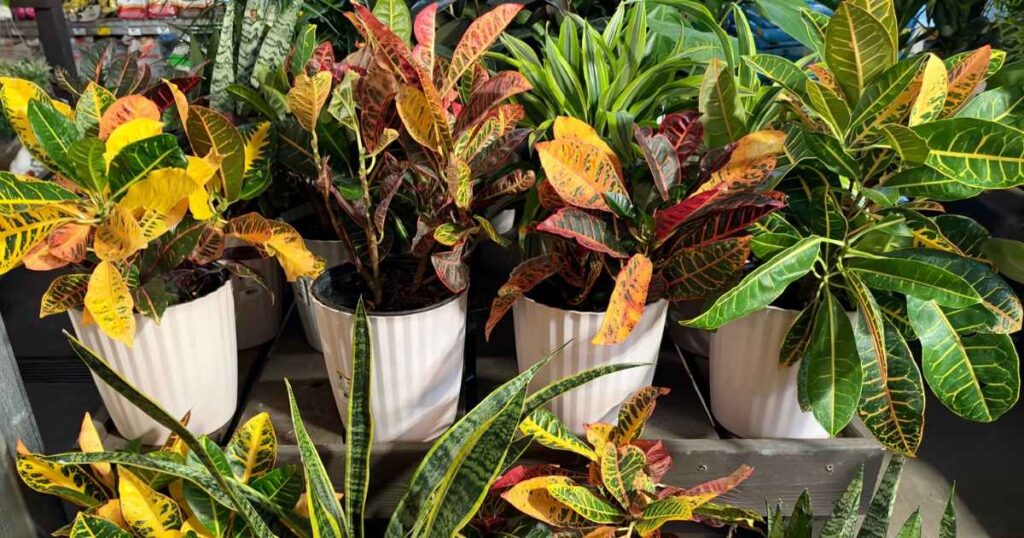
The crotons were some of the most colorful houseplants I spotted.
Their leaves had a striking combination of green, yellow, orange, and red.
These plants almost look like they’re displaying fall foliage indoors!
I love the idea of using a croton to brighten up a room, especially during the colder months when there’s less color outside.
However, crotons aren’t necessarily the easiest houseplants.
They need plenty of bright light to maintain their vibrant leaf colors, and they can be sensitive to sudden changes in temperature or growing conditions.
I would be careful about placing one near a drafty window or frequently opened exterior door.
10. Bromeliads
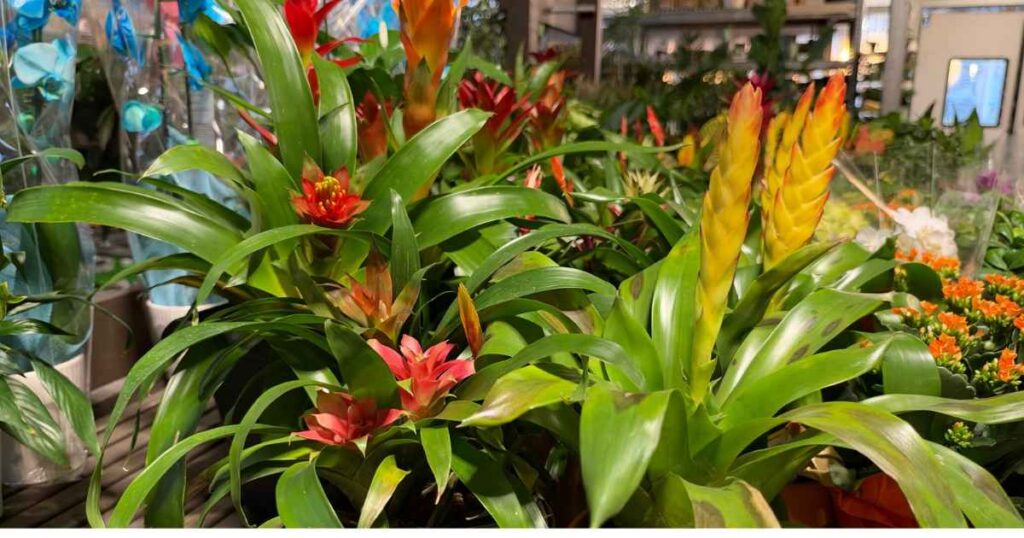
I also spotted tropical bromeliads with colorful flower-like displays rising above their green leaves.
These plants look exotic, and I think they’re a great choice for anyone who wants something more interesting than a typical leafy houseplant.
The colorful structures are often long-lasting bracts rather than ordinary flower petals.
One thing to know is that many common bromeliads produce a central flowering display only once in the life of that particular rosette.
After flowering, the parent plant gradually declines, often producing offsets that can grow into new plants.
I wouldn’t necessarily consider these disposable plants, but it’s helpful to understand their growth cycle before buying one.
11. Hanging Houseplants
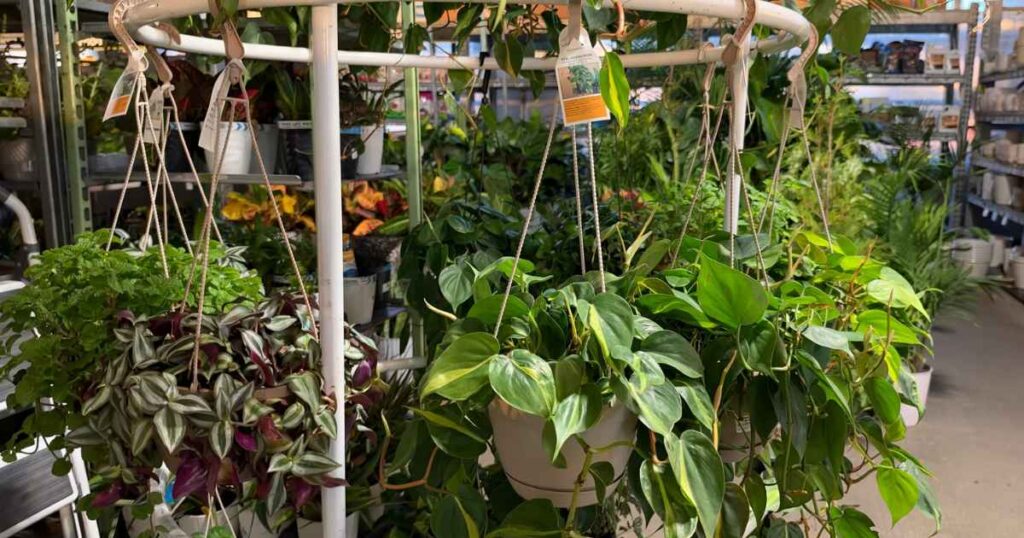
Another display that caught my eye was the selection of hanging houseplants.
I saw trailing foliage plants in hanging baskets, with stems cascading over the sides of their containers.
These are great for adding greenery to shelves, plant stands, or hanging displays.
I especially like hanging plants because they make use of vertical space.
However, I always consider how easy they’ll be to water.
A hanging basket that looks beautiful in the store can become inconvenient if it’s difficult to reach at home.
I’d also inspect the underside of the leaves before buying, since pests can sometimes hide among dense trailing foliage.
12. Rubber Plants
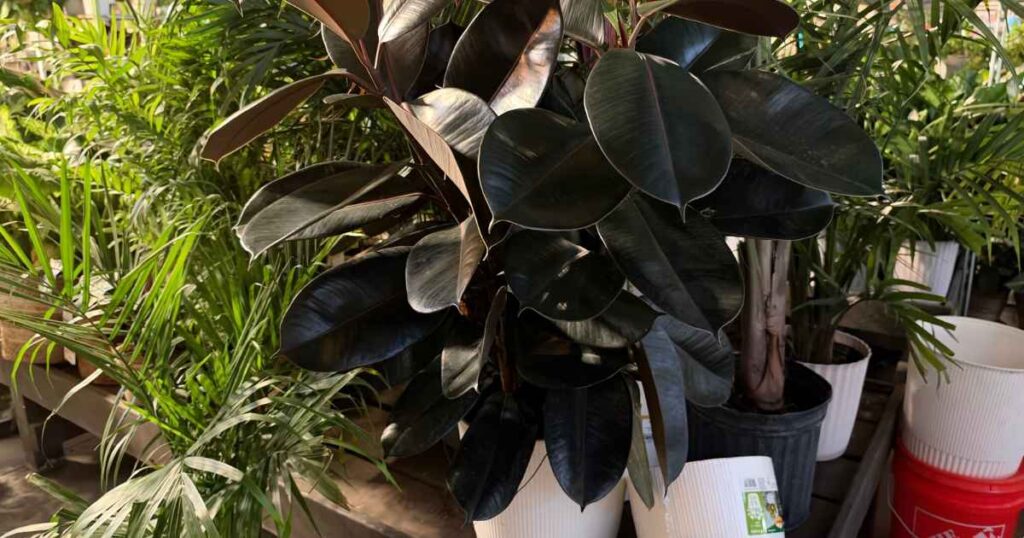
I noticed a striking rubber plant with large, dark, glossy leaves.
This is the kind of houseplant that can make a room feel instantly greener and more inviting.
I like rubber plants because their leaves are substantial and architectural, giving them a different look from smaller, delicate houseplants.
They generally prefer bright, indirect light and soil that can dry somewhat between waterings.
Keep in mind that rubber plants can eventually grow into fairly large indoor specimens.
Before purchasing one, I’d make sure there was enough room for it to grow.
13. Flowering Perennials
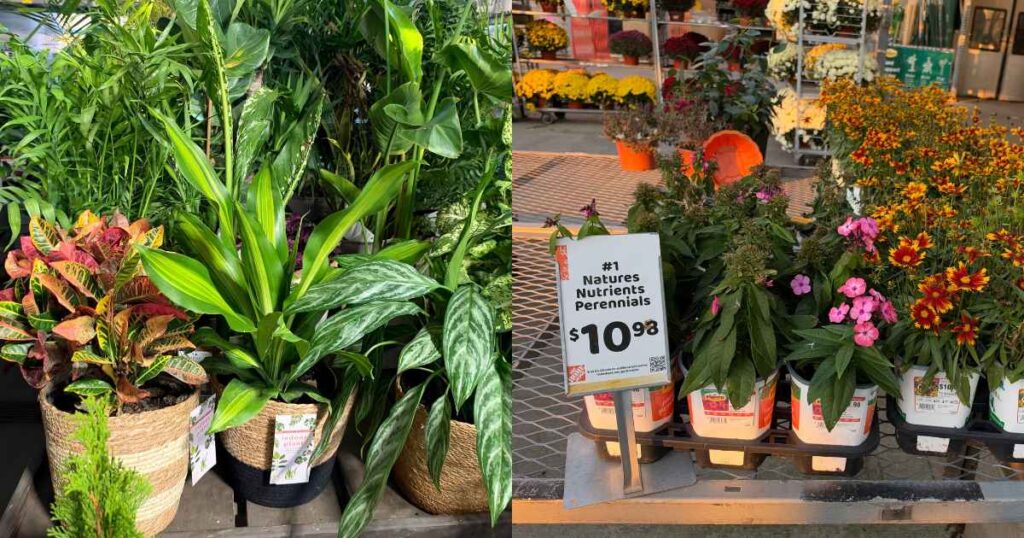
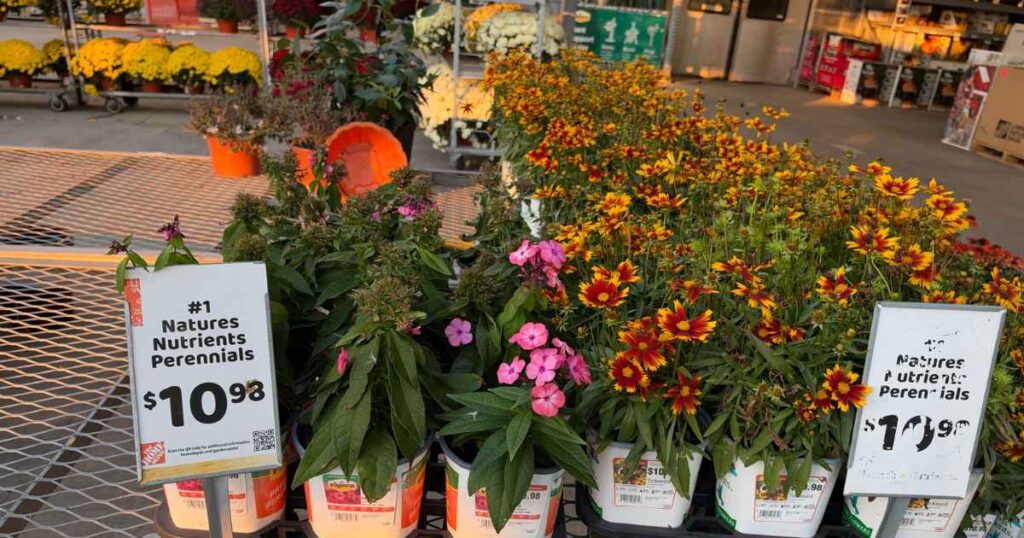
Even in November, Home Depot still had outdoor flowering plants in its garden center.
I spotted displays with pink, orange, and other colorful blooms.
Some of the labels identified the plants as perennials, which makes them tempting purchases for anyone hoping to add flowers to their garden year after year.
But this is one category where I’d be especially cautious about late-season purchases.
A plant labeled perennial isn’t automatically winter-hardy in every location.
And even if it’s hardy in your USDA zone, planting it right before winter may increase the risk of losing it.
Check the specific variety, hardiness zone, and planting instructions before buying.
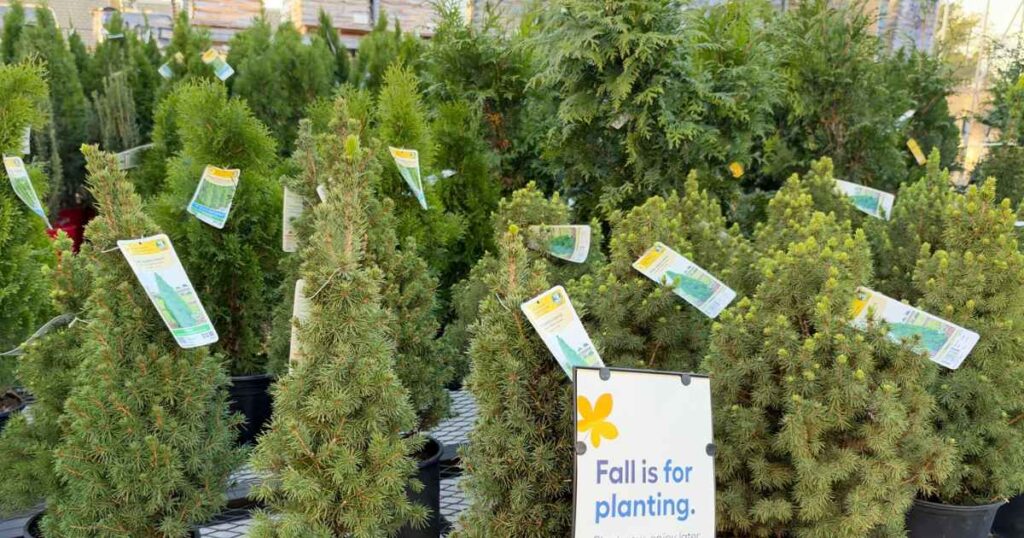
14. Bright Yellow-Green Evergreens
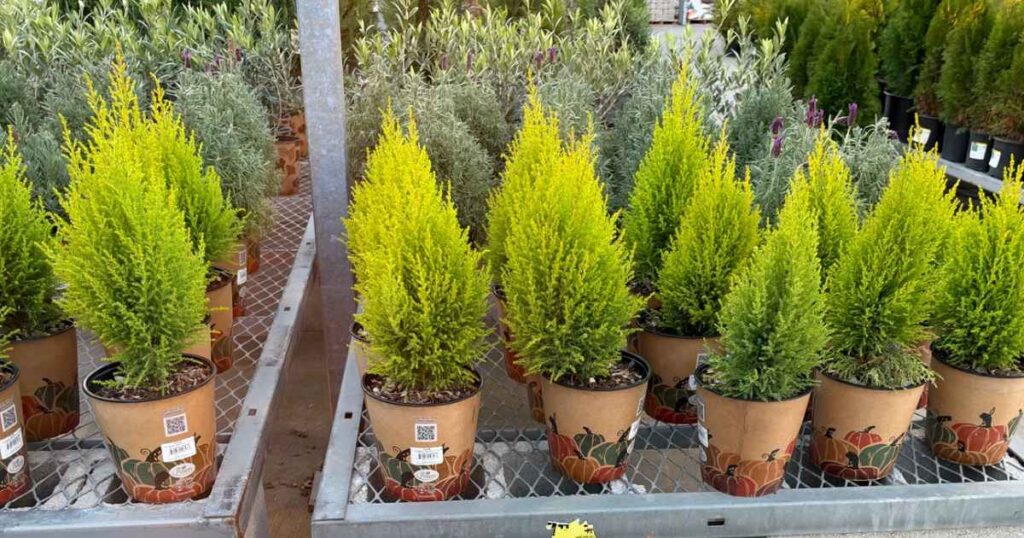
One of the prettiest outdoor displays featured compact evergreens with bright yellow-green foliage.
These plants really stood out against the darker green shrubs nearby.
They include golden-colored conifers, the kind often sold for use in containers, small landscapes, or seasonal outdoor displays.
I can see why these would be popular during the holiday season.
However, I would check the plant tag before buying one, because different conifer varieties have very different hardiness requirements.
Some are suitable for outdoor planting in cold climates, while others need protection from freezing temperatures.
My shopping tip: Don’t assume every small potted evergreen is hardy enough to survive winter outdoors in your area.
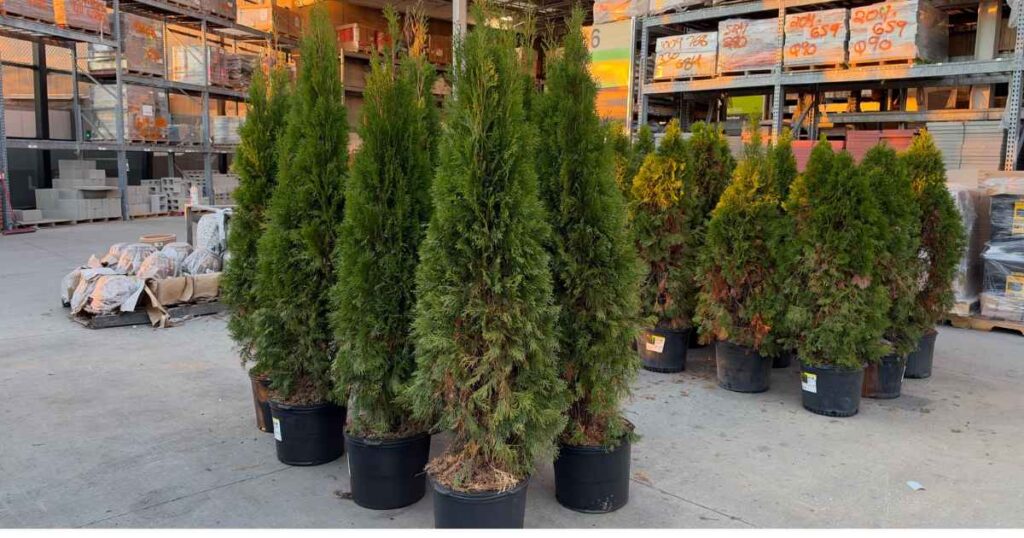
15. Arborvitae and Other Evergreen Shrubs
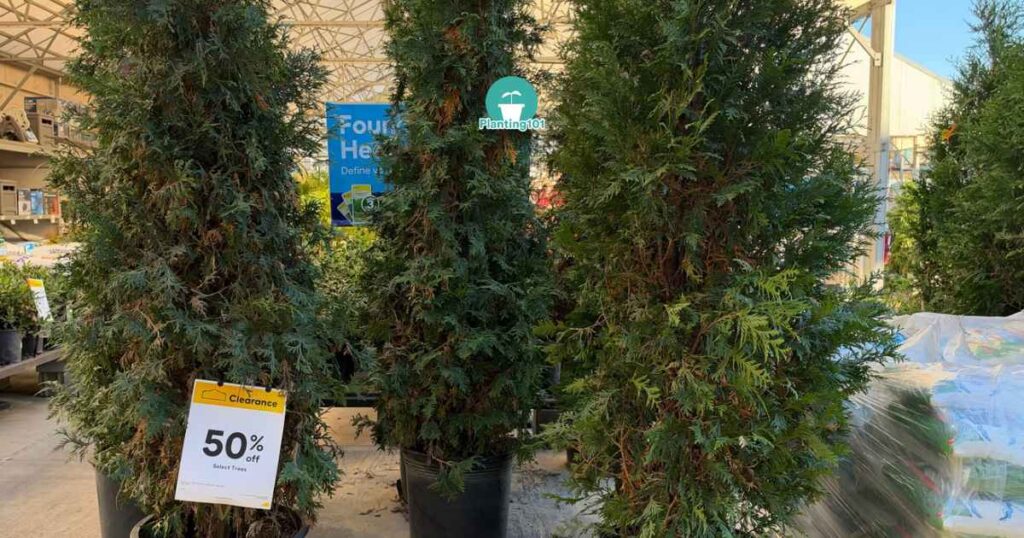
I spotted rows of taller evergreen shrubs and conifers.
These were some of the largest plants I photographed during my visit.
They are the types of plants homeowners often consider for privacy screens, foundation landscaping, or creating year-round greenery.
I understand the appeal. A row of mature-looking evergreens can make a landscape feel more established almost immediately.
But I would be careful about buying and planting them in November, especially in colder climates.
Evergreens continue to lose moisture through their foliage during winter, and newly planted specimens can struggle if their roots haven’t had enough time to establish.
The plant’s size, hardiness, and local weather conditions all matter.
If you’re tempted by a late-season evergreen deal, make sure the timing is right for your area before purchasing.
What I Would Buy at Home Depot in November
After walking through the garden center, I realized that November can actually be a good time to shop for certain types of plants.
I would be most interested in indoor plants such as snake plants, succulents, and other houseplants that I can enjoy throughout winter.
Those purchases aren’t dependent on getting plants established in outdoor soil before freezing temperatures arrive.
I’d also consider seasonal mums for temporary color, as long as I wasn’t counting on them returning next spring.
But I’d be more selective with outdoor trees, shrubs, and perennials.
Even a healthy-looking plant may struggle if it’s planted too late in a cold climate.
And if I’m buying a discounted plant, I want the savings to be worth the risk.
Is November Too Late to Plant Trees and Shrubs? Here’s What You Can Still Plant
I recently stopped by Home Depot and Lowe’s in November and was surprised to see…
Cacti and Succulents at Home Depot: Best for Beginners
I stopped by Home Depot’s garden center recently and couldn’t believe how many cacti and…
Lowe’s Plant Clearance: Are 50% Worth Buying in November?
I stopped by Lowe’s garden center and spotted something that immediately caught my attention: plants…
11 Beautiful Flowers to Plant in Fall for an Easy Garden Next Year
If you want a beautiful garden next year without doing a lot of work, fall…
10 Fall Hosta Mistakes to Avoid When Cutting Them Back
By October, hostas can start looking tired and unruly. The leaves may be full of…
6 Perennials You Should Not Cut Back in the Fall
Fall always makes me want to clean up my garden. Once the flowers start fading…